


LAS VEGAS (KTNV) — In a breakthrough development, the Lower Basin states have finally shown their hand in the ongoing negotiations for the Post-2026 Operations of the Colorado River.
However, a deal has not been finalized since all seven states — the Upper Basin and the Lower Basin — have not yet reached consensus.
Watch: Geneva Zoltek explains the latest development in Colorado River negotiations
The crisis reached a boiling point Saturday after state negotiators missed their second federal deadline, putting the water supply for more than 40 million people at risk.
Nevada, Arizona and California announced in a joint statement from their governors that they have agreed to substantial water reductions to move negotiations forward.
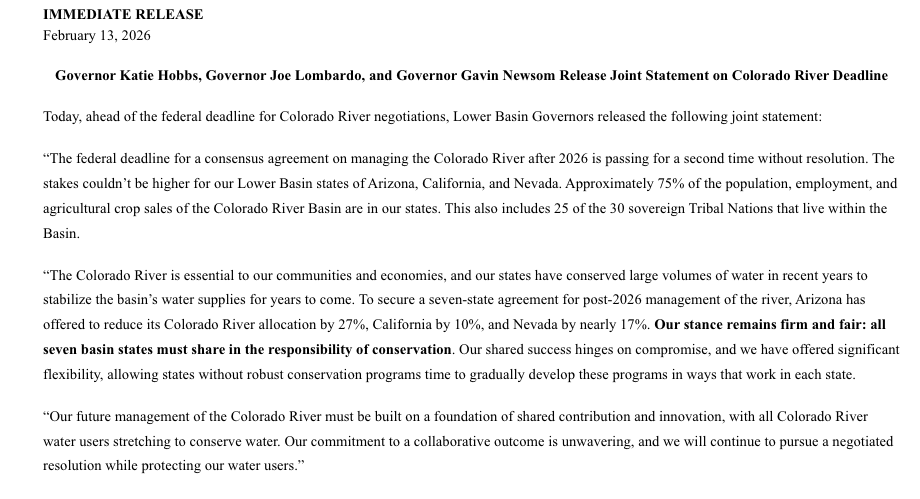
For Nevada, this means a 17% cut to the state's 300,000 acre-foot allocation — already the smallest share of any basin state.
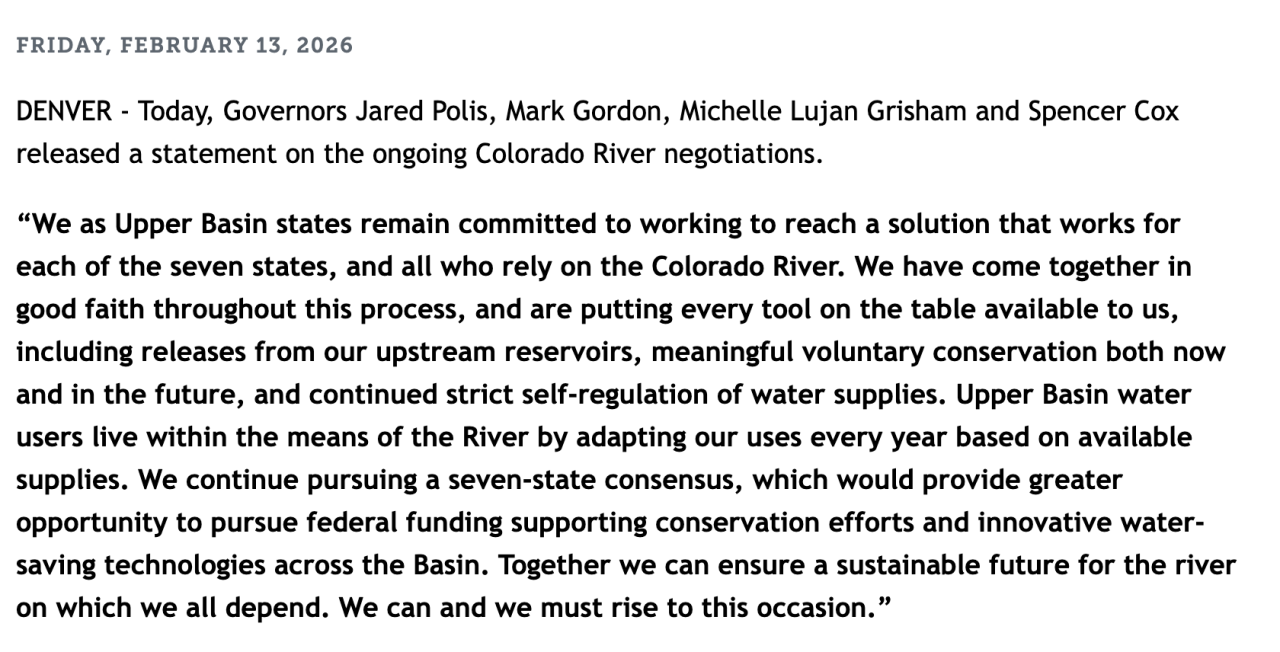
However, the upper basin states — Colorado, Utah, Wyoming and New Mexico — have not yet agreed to conservation terms, leaving the entire situation in limbo, with only months left before a deal needs to be in place, as Water Year 2027 begins in October.
The Upper Basin State governors separately released a joint statement, but notably did not showcase any agreement of cuts.
Despite the significant reduction on the table for the Lower Basin, Nevada's lead negotiator John Entsminger remains confident that residents won't feel the impact.
"I believe the level of cuts that we could reasonably see to our allocation would not materially affect the day-to-day life of southern Nevadans," Entsminger said.
In a statement previously shared with KTNV, Entsminger said the following:
"We receive only 1.8% of the river's flow, so from a hydrological perspective, we're little more than a rounding error. The actions we have taken over the past two-plus decades are less about raising Lake Mead's elevation than they are about protecting ourselves if things go from bad to worse."
The whole ordeal has sparked frustration among local water advocates.
Laura McSwain, who runs the Water Fairness Coalition with over 1,000 members, questions why Nevada should sacrifice more water when it already leads in conservation efforts.
"The fact that here we've done more than anybody else in the basin, I just don't... I can't even comprehend giving up a drop," McSwain said.
McSwain argues that since Nevada recycles so much Colorado River water, it doesn't make sense to give up more stake until others follow suit.
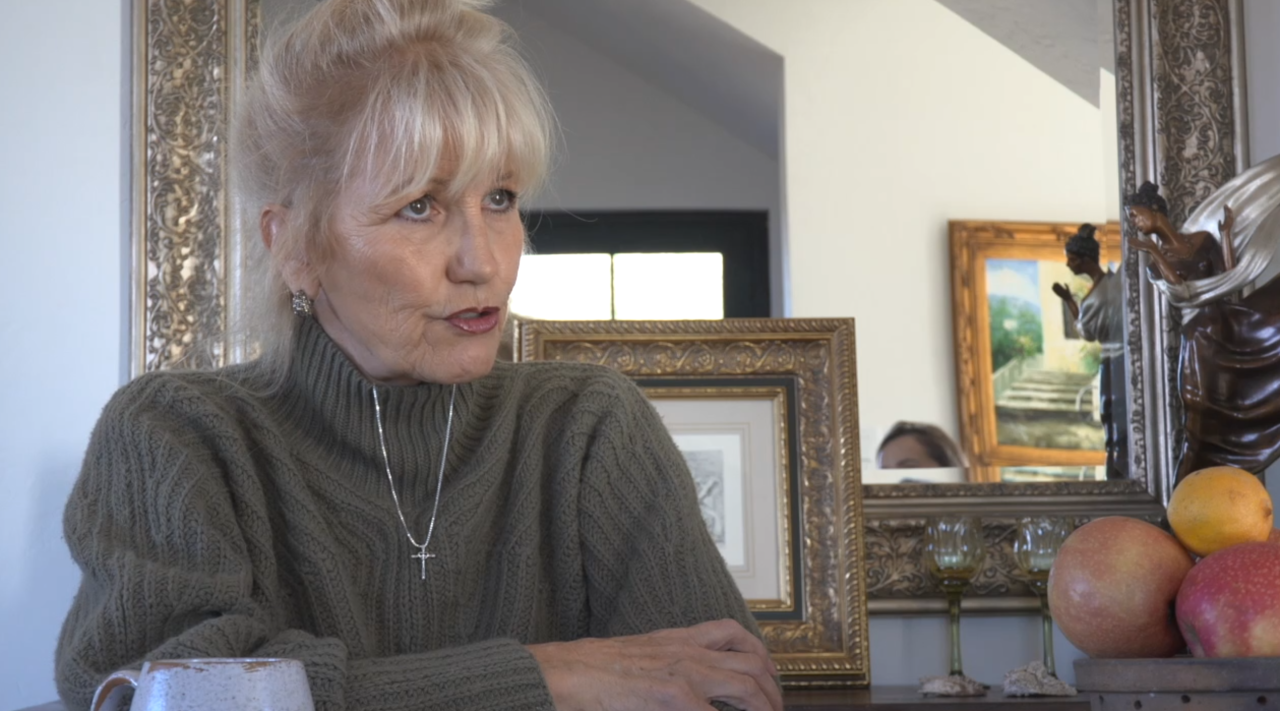
"It doesn't seem like a leveraged strategy," she said. "We should be using our leverage, and if there is truly a stalemate for the federal government to just come in and say — OK, we're gonna decide how everybody cuts — that actually invokes potential litigation against the federal government."
The threat of litigation appears to be more than just talk. Multiple outlets have reported that states including Arizona, Utah and Colorado are building up their coffers, setting aside millions of dollars for potential court battles.
When Channel 13 asked about Nevada's litigation strategy, Entsminger remained tight-lipped but confident.
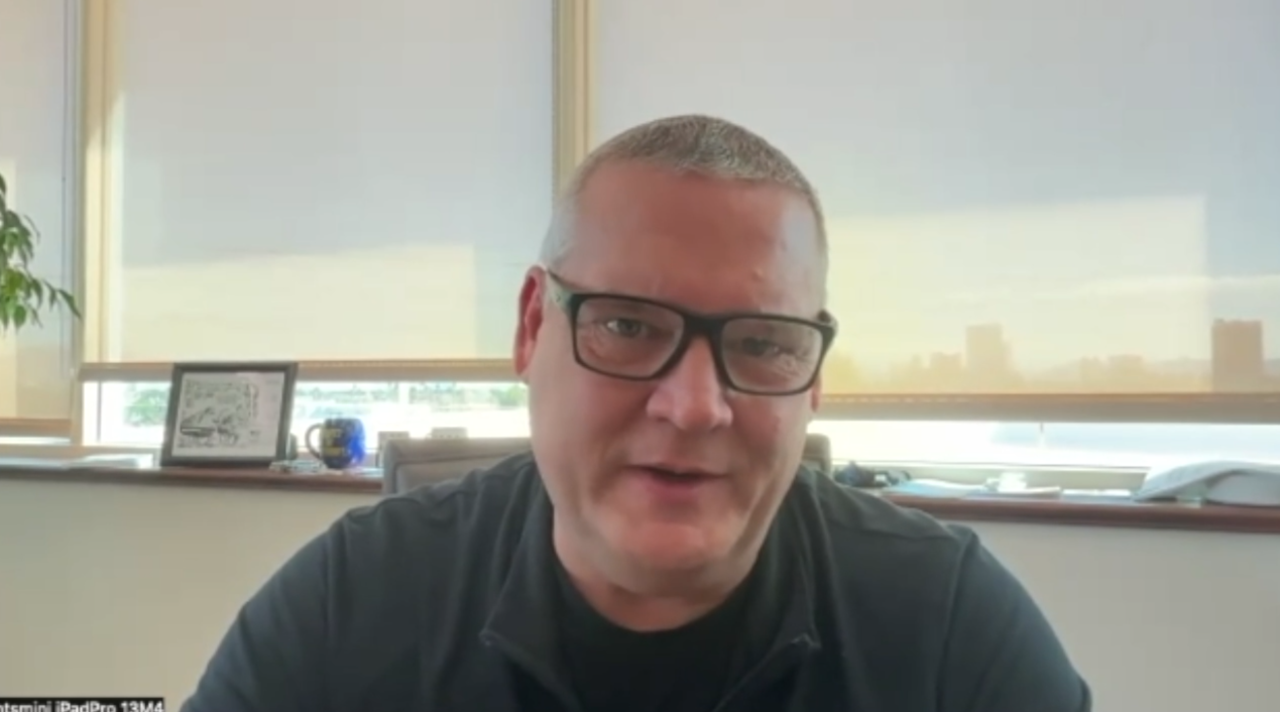
"I'm not gonna get into details around litigation, but I would tell you we have a plan, and our plan is to win," he said.
'Basic Coordination' Alternative
According to policy experts, the Bureau of Reclamation (BOR) still has several proposals on the table that it released in January, but if states can't reach consensus, the federal agency can only move forward with one option: the Basic Coordination Alternative.
"The main thing it does is it basically normalizes 1.48 million acre feet of shortages in the Lower Basin every year," explained John Berggren, a water policy manager for Western Resource Advocates.
"The Lower Basin states have already put 1.5 million acre feet on the table as what they're willing to do. So it's kind of just going with that," he said of the 'Basic Coordination' option.
Berggren says while the Draft EIS (which contains BOR's operational proposals) contains multiple paths forward, there's really only one choice on the table that might shade the federal government from courtroom consequences.
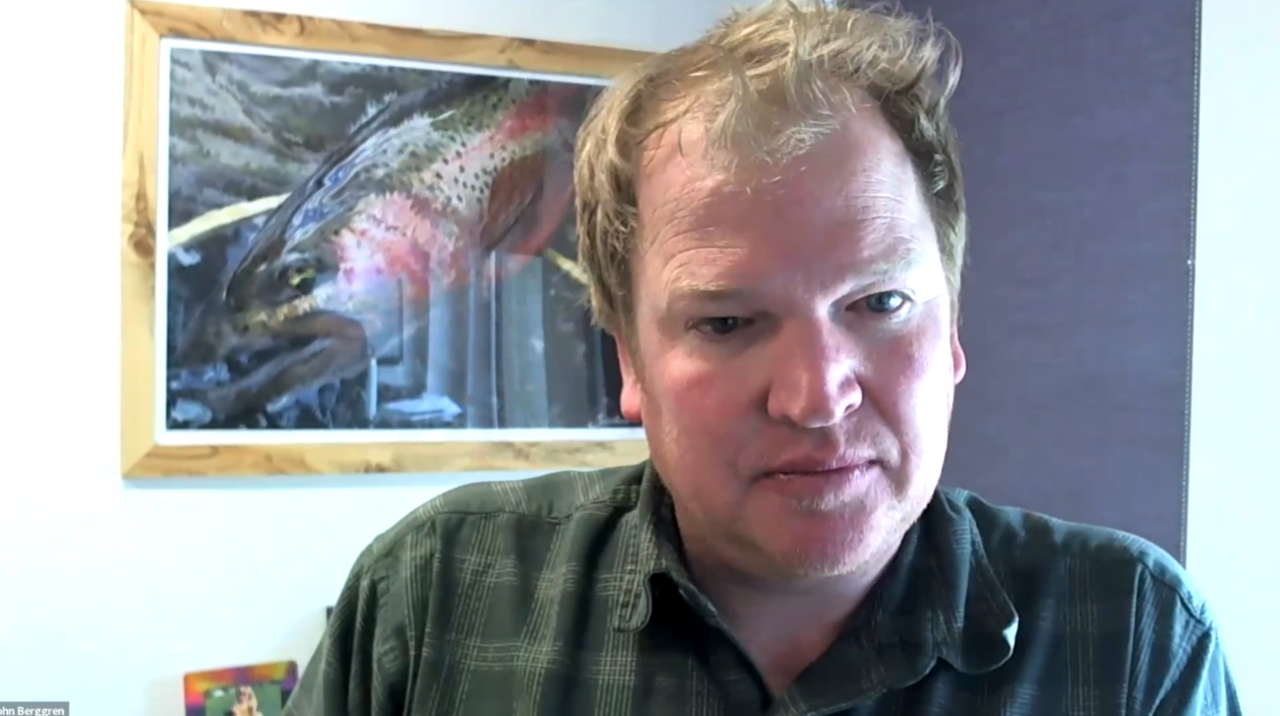
"It's also incredibly frustrating because without a seven-state agreement, Reclamation can only go forward with that one. That very limited alternative doesn't do enough," Berggren said.
Water watchdogs like Berggren warn this alternative could lead to system failure and long-term court litigation that would cost taxpayers millions of dollars.
"I don't know anyone who can feel confident that they're gonna go to the Supreme Court on this complex of an issue, and they're gonna walk away with everything they want," he said.
"Because this is an interstate compact, it would go to the Supreme Court. It would take years, if not decades to resolve. It would cost hundreds and hundreds of millions of dollars. And there is no guarantee of who's gonna be the winners and losers," Berggren explained.
Weighing In
The Bureau of Reclamation is giving the public a chance to weigh on and share their thoughts on the options. They are accepting public comments through March 2.
You can submit your comments by sending an email to crbpost2026@usbr.gov.
You can also call (602) 609-6739 or mail your comments to the Bureau of Reclamation at the following address:
Bureau of Reclamation
Attn: BCOO-1000
P.O. Box 61470
Boulder City, NV 89006
If you have a concern surrounding our local environment, you can reach out to Geneva directly at Geneva.Zoltek@KTNV.com.
