


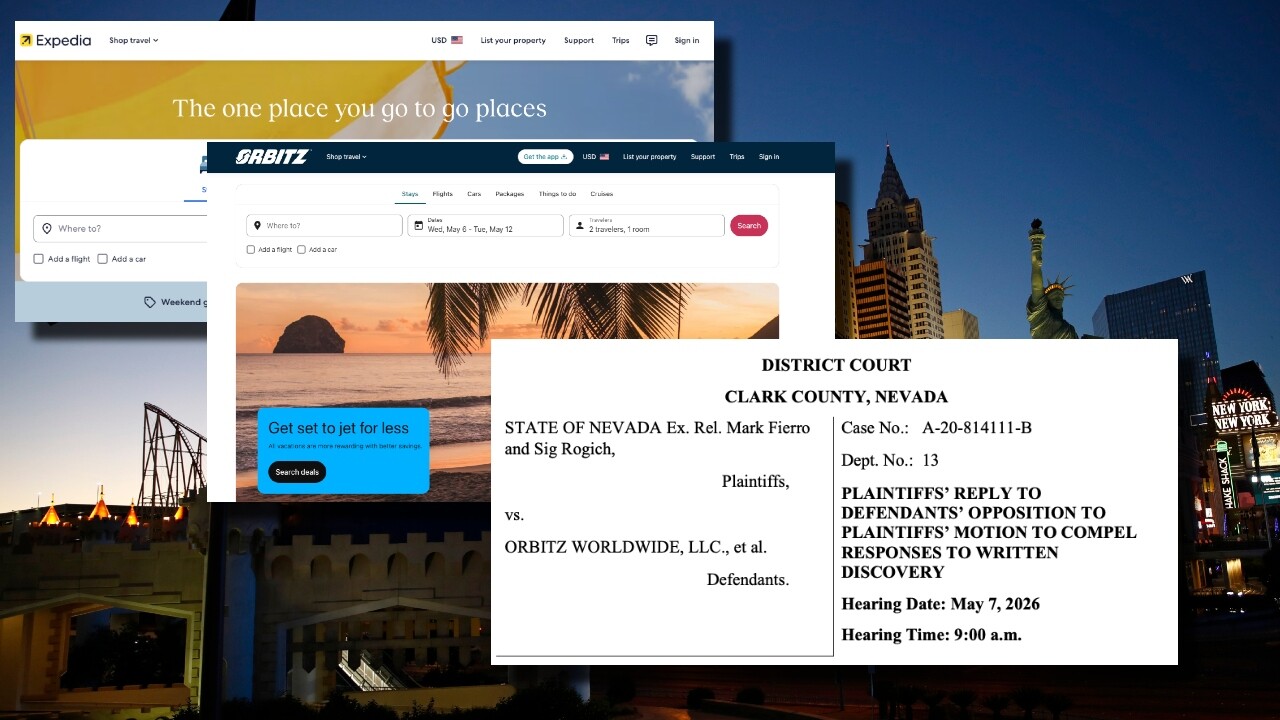

LAS VEGAS (KTNV) — Booking a hotel in Nevada isn't just about the nightly rate. There's a room tax baked in.
Those dollars are crucial to our state's economy. However, attorneys say some of the biggest online travel brands have been holding out and that it's cost Nevada taxpayers millions over the years.
Darcy Spears explains why this matters to the community:
Nevada is a tourism powerhouse — more than 40 million visitors a year, filling over 190,000 hotel rooms statewide. Every stay comes with room taxes that help fund our schools, fix our roads and pay for public services we all rely on.
However, attorney Dominic Gentile says some of the biggest names in online travel aren't playing fair and Nevada taxpayers are losing out.
In 2020, working with the attorney general's office, Gentile filed a lawsuit accusing Orbitz, Expedia and other booking sites of consumer fraud. The claim? They're pocketing millions in taxes that should go to the state.
Here's the allegation: hotels sell rooms to booking sites at a wholesale price. The sites mark it up, sell it to you and collect taxes.
"And so, they are marking up the room, which is legitimate. There's nothing wrong with that," Gentile told us in 2020. "But they are collecting the tax at the marked up price and only paying the tax at the price at which they acquired the room."
In plain English: more tax goes into their pockets than into Nevada's.
DECEMBER 2020: Lawsuit targets online travel companies on behalf of Nevada taxpayers
Gentile says that's no accident — it's deliberate and it breaks state law. Court documents allege the companies even bundle charges to hide the real wholesale rate from customers. And with billions in revenue, Gentile argues they've got the money to make it right.
The booking sites are firing back, saying the law is on their side. They pointed to a 2005 state tax opinion putting the responsibility on hotels, not them. However, when looking at the opinion, which was written by Charles Chinnock, the executive director of the Nevada Department of Taxation, he also writes the opinion only pertains to a letter from Dec. 3, 2004, and "no person, other than the intermediary, should place any reliance upon this advisory opinion letter."
"By issuing this advisory opinion letter we have not undertaken to determine, or to inform any person of any actions, events or changes in the law occurring after the date hereof which may affect the opinions expressed above."
They also claim lawmakers' failed attempts to change the law prove they don't have to pay up.
For example, Assembly Bill 294, which was proposed in 2017, would have expanded the definition of "persons in the business of providing lodging" to include "accommodations facilitators" like online travel sites but it was not enacted.
Assembly Bill 363 was proposed in 2021, and while it did create a new category of tax-responsible party, it was only for short-term rentals and not hotels.
Gentile says that's just dodging responsibility and he's fighting to force the companies to change how they do business.
"I just want the taxpayers of Nevada to get what they're entitled to," Gentile previously said.
This may be bigger than Nevada. Attorneys are digging into nationwide data to see if this same tax gap is happening elsewhere.
We reached out to Expedia and Orbitz to see if they would like to comment on the lawsuit. Expedia got back to us declining to comment while we have not heard back from Orbitz by the time this article was published.
Both sides face off again in court on Thursday.