


LAS VEGAS (KTNV) — A pilot program to install traffic cameras at 12 of the most dangerous locations across the valley has been unanimously approved by the Las Vegas City Council.
The pilot program will run for one year as part of an agreement with a company called Ludian. It will cost just over $400,000 and the money is coming from RTC funds that are earmarked for traffic safety initiatives. The cameras will be site-specific and not associated with the Flock Security camera system.
During Wednesday's city council meeting, several locals voiced concerns about more cameras being added across the valley, specifically Flock cameras.
"The way it's taken over our city, under the guise of safety, which I find really offensive, we know this technology has a track record, indeed a pattern, of being gravely misused," teacher Jill Glass told city council members.
"I don't think our budget should be spent on this. It doesn't keep us safe," said local Sarah Leavitt. "I feel like if what we care about is public safety, let's focus on meeting people's needs and that will keep us safer rather than cameras tracking our every move."
To be clear, the cameras that will be used for the pilot program are not Flock security cameras. They are Ludian cameras and they will not be connected to the Flock security system.
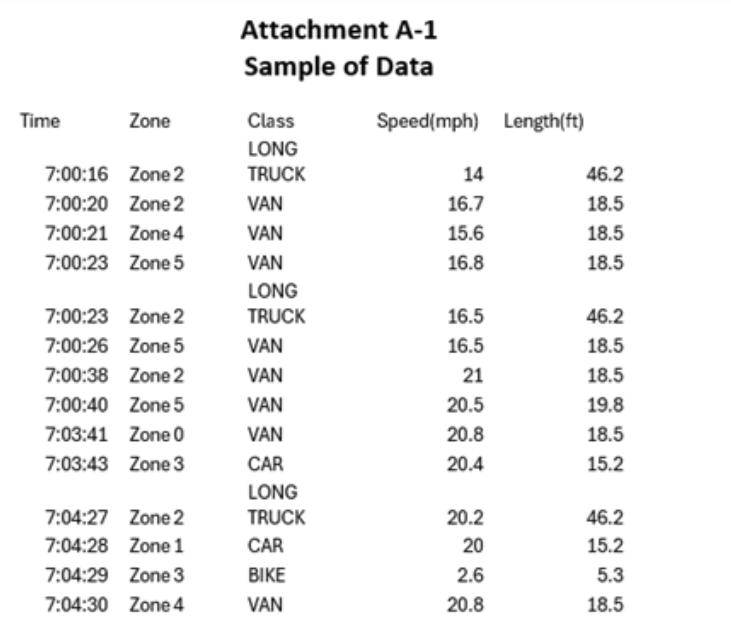
When it comes to privacy concerns, city officials made sure to limit the scope of what can be collected. For example, no images of drivers, passengers, or rear windshields will be collected and no facial or biometric identification will be collected. The system doesn't retain any video, and the information will only be accessible by program administrators and city traffic engineers.
You can see a sample of the information that will be collected below.
As Brian Knudsen, Ward I councilman, told state lawmakers on Tuesday, it has been a six-month process to develop this program.
Other city council members also explained there were a lot of discussions to limit the scope of what data is collected, amid privacy concerns.
"This has been a contentious issue for me because I live in and represent communities that have experienced significantly higher rates of policing and surveillance than some of the other areas in the city. This is a real concern that I hear in my community about surveillance and cameras and these things happening," said Shondra Summers-Armstrong, Ward 5 Councilwoman. "I will let the folks in the audience know that I gave them a hard time about this because I did not want data shared with anyone. I was adamant that the contract, that they double-check and triple-check the language to make sure the language to ensure that the language only allowed the data to be within the city and destroyed at the end."
"[When I was asked] about considering this, I gave it a lot of thought. I shared similar concerns that were raised earlier by Councilwoman Summers-Armstrong, raised by the constituents and public who testified today, and I concluded after all that, and we have talked about this, even individually with [city works staff], that we've come to a agreement and a structure that does still protect the best interest of our citizens," said Kara Kelley, Ward 2 Councilwoman. "I don't love it either, but I agree that we're sort of at a wit's end. I really hope that the signs and collecting the data, when we saw the numbers of death, the quick math in my little head is that's essentially a death a week for five years, and we don't want any deaths."
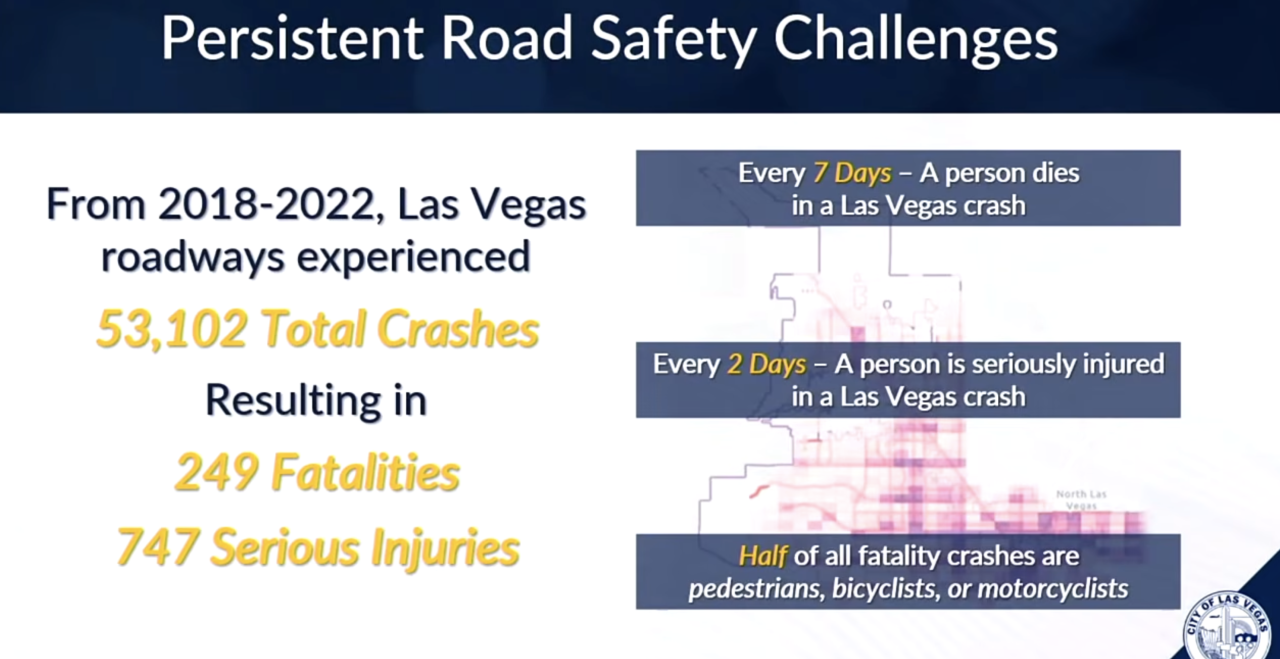
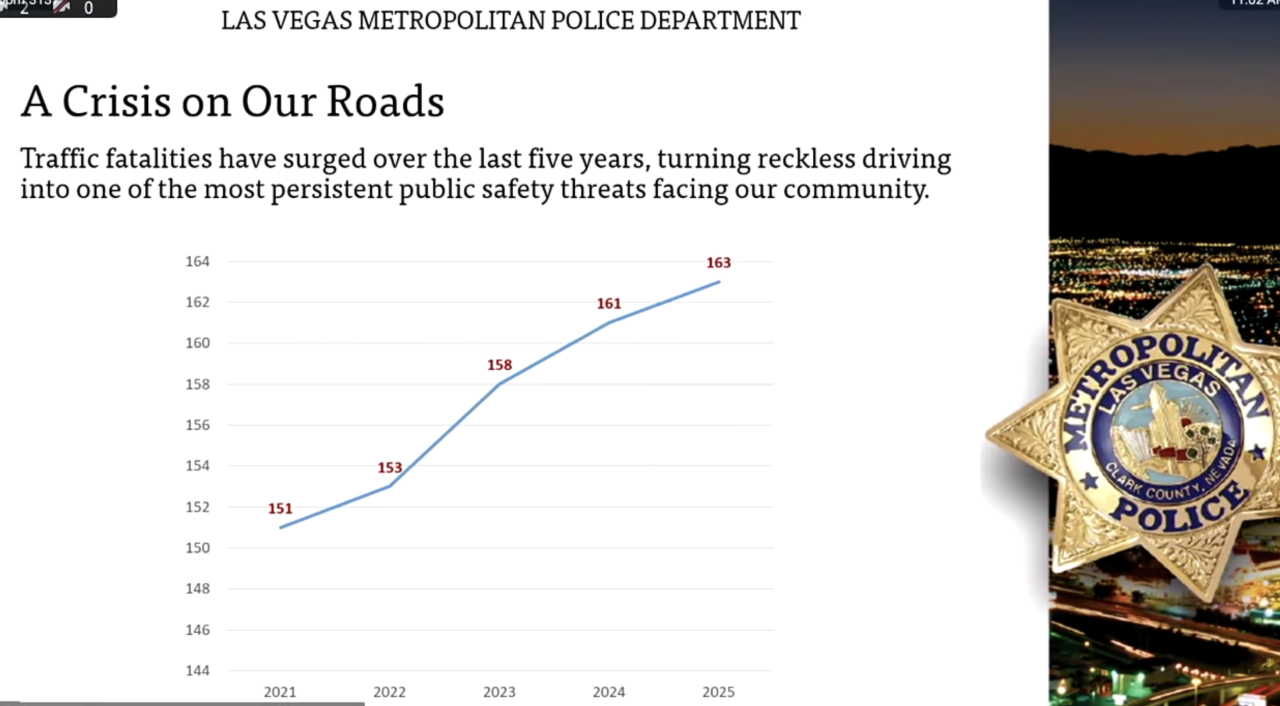
The goal of the pilot program is to collect data about people who are speeding and running red lights so elected officials and law enforcement can find solutions to make streets safer.
On Tuesday, Knudsen told state lawmakers that city officials have already tried several options to cut down on bad driving behaviors, including speed humps in neighborhoods, blinking stop signs, and crosswalks, but none of them worked.
That was echoed by other city council members on Wednesday.
"It feels like we've installed so many traffic lights and stop signs in Ward 6, where we've had a lot of growth, and we still have accidents," Nancy Brune, Ward 6 councilwoman, said. "So I hope the data we collect will allow us to think about strategies that are effective."
"No doubt about it. Red light runners, I'm seeing more and more and as a mom of a 15-year-old, getting my kid to and from school, it just makes me more annoyed and more upset to see that people don't care about their own neighbors, that people are just flying through an already very red light and the rest of us have to wait an additional minute or half a minute to make sure that we're safe crossing an intersection," said Olivia Diaz, Ward 3 councilwoman. "It's not okay because speed kills. That could be a mom, a dad, a grandma, an aunt, a kid that we take away from families and we don't want to see any more of it. We do need to collect this data. We do need to ensure that we're, as a city, equipped with information that can help us make transformative changes. Also, we don't want to make these substantial investments in camera technology down the road if it's not working to help us correct or cure this very specific issue."
Knudsen reiterated that this is an expansion of the city's traffic data-collecting process so they can make informed decisions. He said after the study is done, the data will go away.
"The entire intention of this is to make the community safe," Knudsen said. "This is not fun. Nobody wants to be Big Brother. Nobody wants to collect data. Nobody wants that information. We just want safe drivers."