



LAS VEGAS, NV (KTNV) — You've probably seen crypto kiosks in your local convenience store — maybe you thought nothing of it, because they resemble your average ATM. But some Nevada lawmakers and advocates for seniors say these unassuming kiosks are becoming a big problem.
I learned that Nevada's Legislative Committee on Senior Citizens, Veterans and Adults With Special Needs has put in a bill draft request to potentially ban crypto kiosks in the Silver State, meaning we could see such legislation when the Nevada legislature reconvenes in Carson City in February. I'm told the idea has bipartisan support.
WATCH | NV LAWMAKERS WEIGHING POTENTIAL BAN ON CRYPTO KIOSKS
AARP Nevada is a big backer of the effort, and organization leaders tell me they have seen scams involving crypto kiosks affect older Nevadans.
"What happens typically is that someone is contacted, they are convinced to take money, deposit it into one of these machines to convert their cash into crypto, and once that happens, the money is basically gone and it's hard to ever get it back," said AARP Nevada state director Tod Story. "We want to prevent the crime from occurring by taking out the mechanism for the crime to occur."
It comes as the FBI's 2025 Internet Crime Report highlights some staggering numbers on reported scams involving these kiosks. Last year, the FBI received 13,460 complaints, reporting $389 million in losses. That represents a 23% increase in complaints from 2024, and a 58% spike in losses.
Seniors 60 years and older account for nearly half those complaints, and $257 million of the reported losses in 2025.
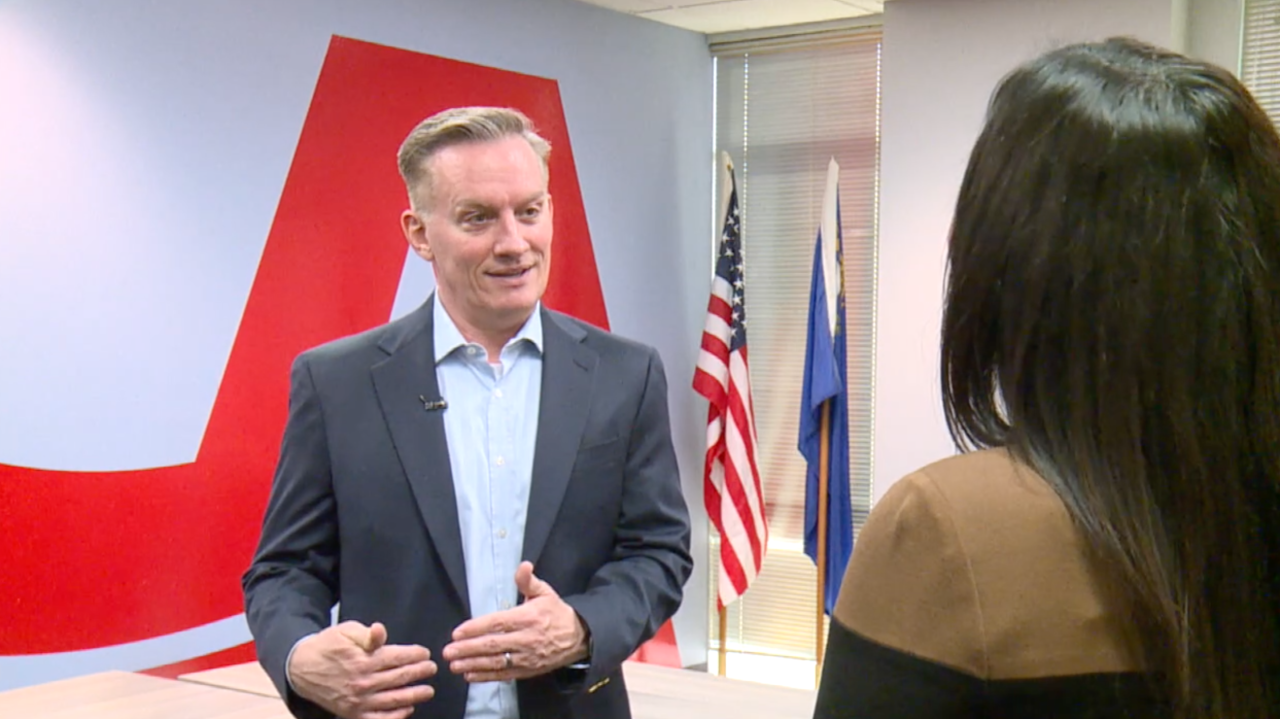
"It's interesting because across the age spectrum, people are being scammed in the same way," Story said. "It's just that more money is being taken from older folks because they have more money to take."
That's why the issue is a top legislative priority for AARP Nevada.
"We've counted over 400 of these kiosks statewide, with over 300 right here in Clark County," Story told me. "So we made a presentation back in May to the legislature about this issue specifically and the number of Nevadans who are being affected by it."
Story emphasizes that the AARP is not against cryptocurrency itself — just this particular conduit to conversion.
"Our position is not for or against crypto. Crypto is a currency and people can dabble in that as they wish," Story said. "We're talking about strictly the mechanism for separating people's hard-earned cash from them in a criminal enterprise and in a scam-style situation."
He also noted, the exchange rates at these kiosks can be quite high, raising the question of why they're needed anyway when there are cheaper methods of conversion right at consumers' fingertips.
"Exchange rates into the 30, 40, 50% fee range, and that's absurd that you would ever pay that kind of a fee just to exchange cash to crypto. And all those things can be done online anyways through legitimate outlets and platforms. So the crypto kiosk, as law enforcement has said across the country, is being used primarily for illegitimate criminal activity," Story said.
We reached out to multiple cryptocurrency organizations and companies for their perspective on the matter and have yet to hear back.

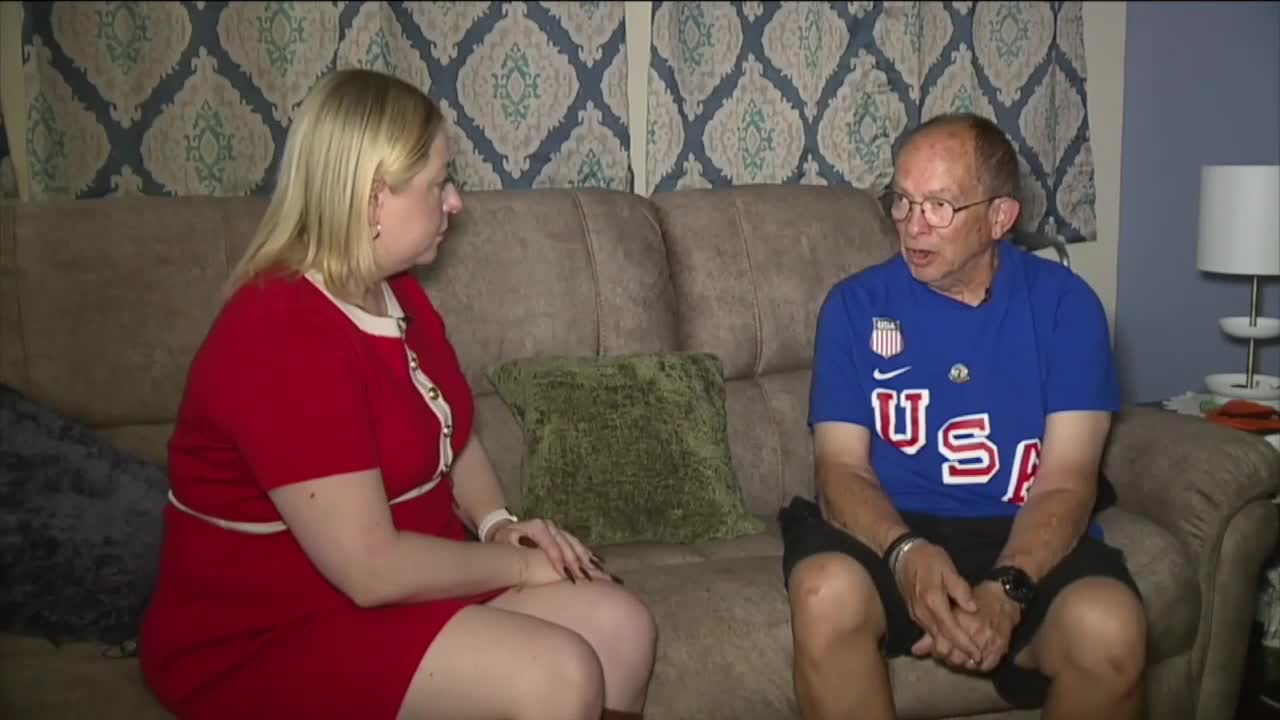
Henderson veteran Mitchell Gordon is on board with a potential ban, after a scam involving one of these kiosks turned his life upside down. Our senior reporter Mary Kielar has been following his story — and even helped him get some of his money back. She followed up with him to get his thoughts on a possible ban.
"That's the best news I ever heard. When you called me a couple days ago and told me, I was excited about it. I hope it goes through. I hope nobody objects," Gordon told Mary. "Get them all out of every place. They're nothing but a pain."
If the potential legislation comes to fruition, Nevada wouldn't be the first state to take regulatory action. According to the AARP, 35 states have enacted legislation relating to crypto kiosks since 2023.
We want to help your protect yourself. Here are some tips from the FBI:
- Do not send payment to someone you have only spoken to online, even if you believe you have established a relationship with the individual.
- Do not respond to a caller from an unknown telephone number, who identifies as a person you know and requests cryptocurrency.
- Avoid crypto kiosks advertising anonymity and only requiring a phone number or e-mail. These may be non-compliant with federal regulations and may facilitate money laundering. Instructions to use kiosks with these characteristics are a significant indicator of fraud, according to the FBI.
- If you are using a crypto kiosk and the operator calls you and says the transactions indicate fraud and advises you to stop sending money, cancel the transaction.
—
