LAS VEGAS (KTNV) — Las Vegas has some of the worst air quality in the United States, but extreme heat is making conditions even worse — particularly when it comes to ozone pollution.
"People don't think about it, but we are exposed to worse air quality when we have extreme heat, the fossil fuel pollutants in the air mixing together," Jackie Spicer, Coordinator for the Nevada Environmental Justice Coalition, explained.
Watch: Climate Reporter Geneva Zoltek explains the connection between heat and pollution
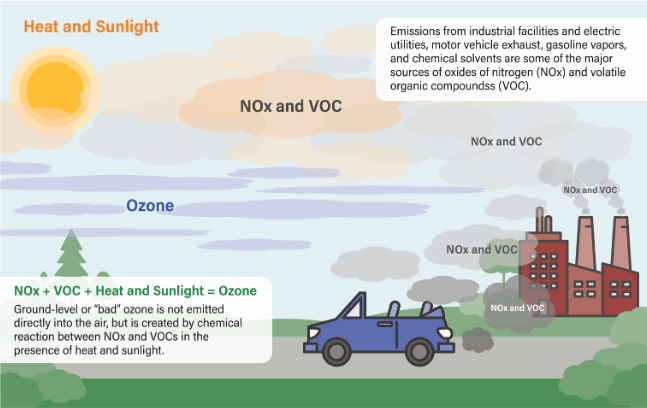
The process comes down to chemistry. Heat and sunlight react with known pollutants in the air, such as carbon dioxide and carbon monoxide from car exhaust.
That chemical cocktail creates ozone. As a result, the hotter it is, the worse the ozone pollution becomes.
Because of this, Clark County typically issues a seasonal ozone advisory starting in April. However, with record-breaking heat in March, elevated levels are already present, especially in the afternoons when temperatures peak.
"Considering that Clark County is in the worst top 20 places to live in the United States in terms of ozone pollution, I would say no, there's not enough protections being done and we really need to take this issue seriously on a policy level," Spicer said.
"It's hard to protect ourselves on an individual basis for air pollution because it's not just us alone. When we're burning fossil fuels, taking our personal vehicles to work, to school, all of that contributes to worsened air quality and so we as a collective, need to be taking actions to lower the amount of driving and traffic congestion that we have in our communities to improve the air quality for everyone," she continued.
Short-term air pollution symptoms include coughing, wheezing, and throat irritation, which feel similar to the impacts from allergens like pollen. Over time, exposure can cause lung diseases like asthma and cardiac problems.
Medical experts advise anyone suffering from respiratory issues to stay indoors during peak heat times or see a doctor if symptoms worsen. Residents can check the latest ozone levels in their neighborhood at airnow.gov.
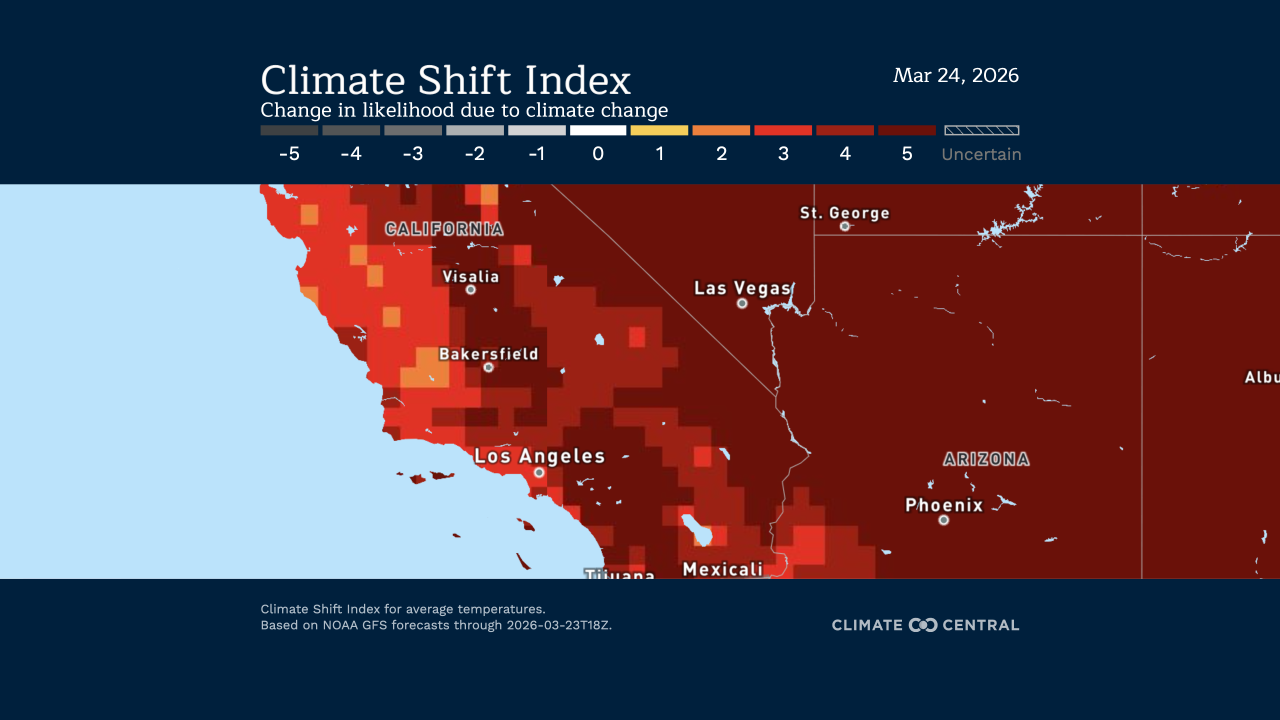
Researchers at Climate Central say this current heat wave was made five times more likely by climate change.