

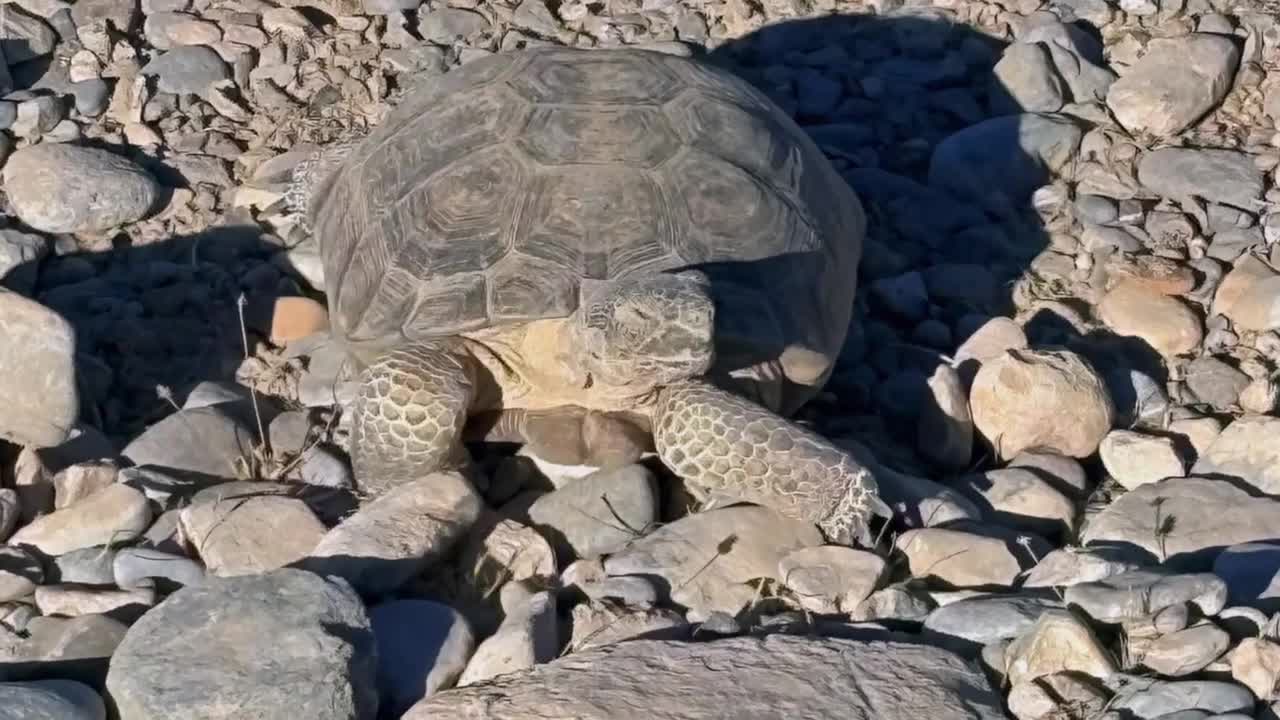


LAS VEGAS (KTNV) — The race to build a bigger Las Vegas is raising a critical question: is one of the desert's oldest residents facing a renewed threat?
A Clark County program allows development to disrupt endangered desert tortoise habitat, but some of the impacts aren't being measured.
"I think that the tortoise numbers are going to keep dropping as more land development, you know, continues and is approved" said Jake Plotnick, a contractor and wildlife biologist.
WATCH | Development pushes further into desert tortoise habitat, raising concerns
As an endangered species, harming desert tortoises is illegal. But Plotnick said he worries the full impact of construction on tortoise populations isn't being captured for certain jurisdictions.
"I think tortoises might be killed without people knowing," Plotnick said.
Plotnick sent in video to Channel 13 of desert tortoises wandering on to construction sites for new homes near Kyle Canyon Road.
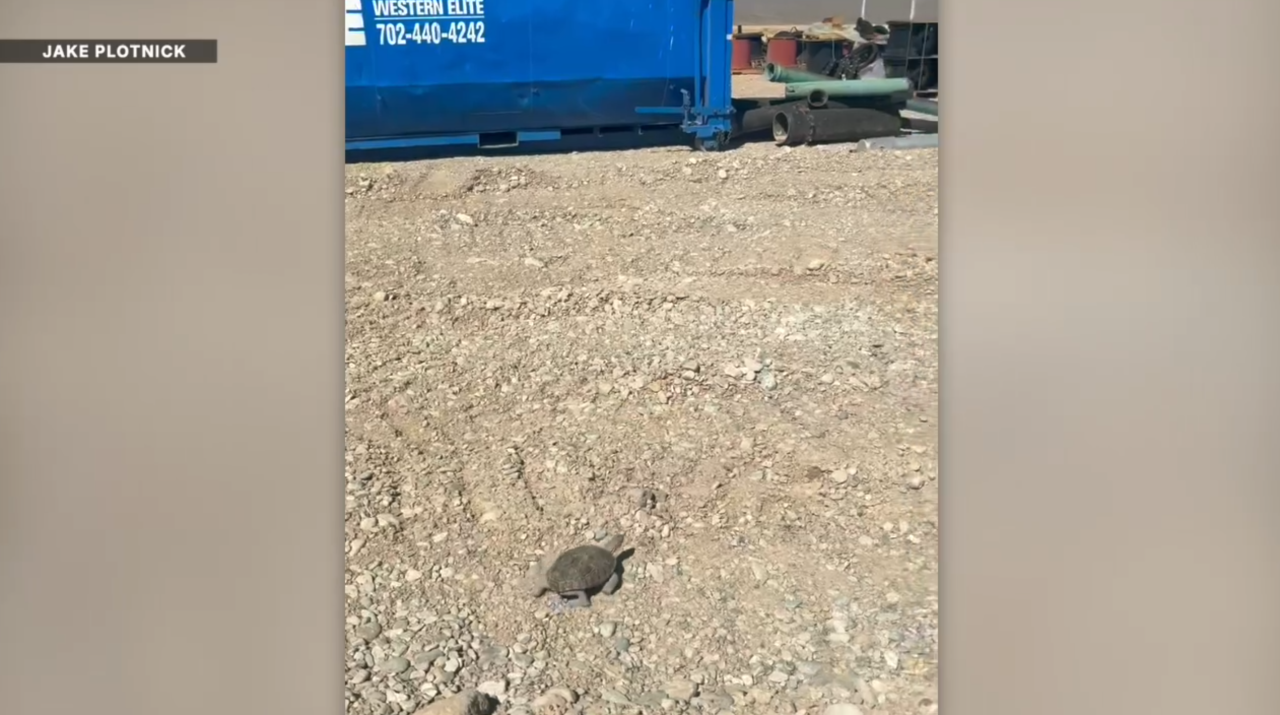
Clark County operates under a special "incidental take" permit issued by the U.S. Fish and Wildlife Service that allows development to legally impact tortoise habitat. Under federal wildlife law, "incidental takes" refer to unintended harm caused by otherwise legal activity. That includes, in Clark County's jurisdiction, the unintentional crushing of a tortoise by heavy equipment on a development site.
I went to Clark County's Department of Environmental and Sustainability to find out how that balance works: what happens when development disturbs tortoise habitat and how the county makes up for that impact?
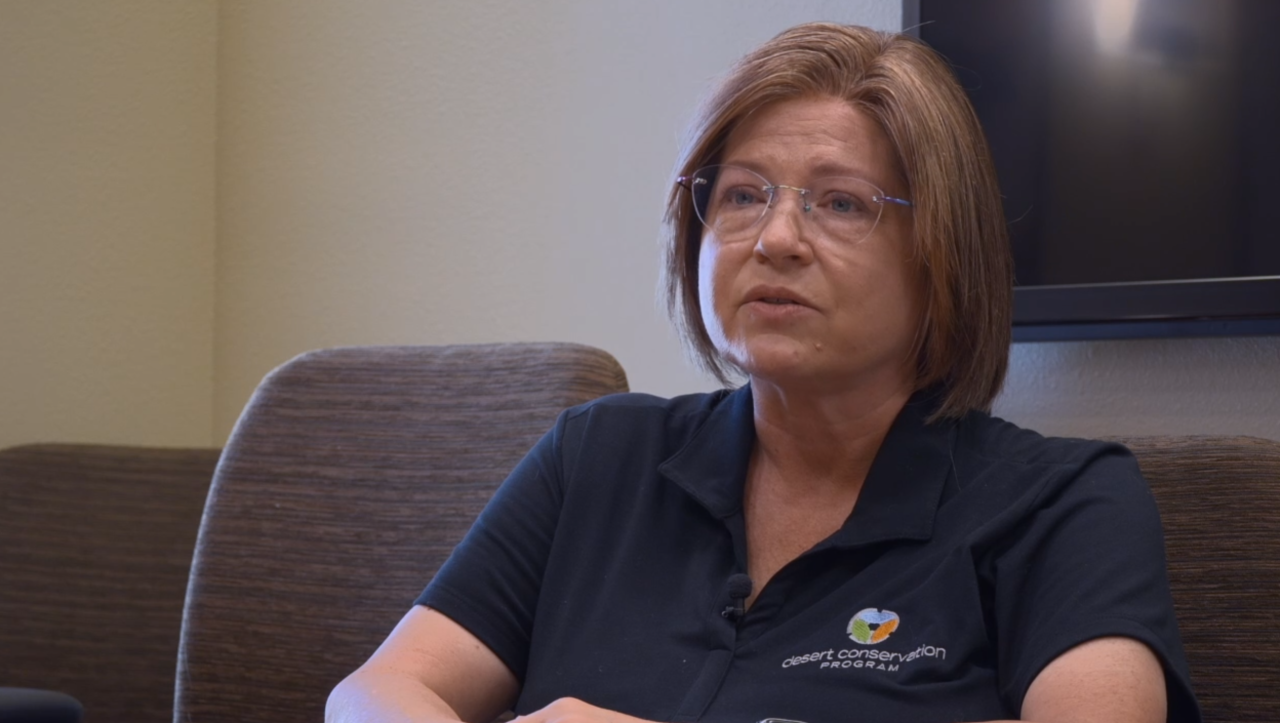
Audrie Locke, public outreach coordinator for Clark County's Desert Conservation Program, explained the intent behind the permit.
"The incidental take is focused on allowing development to continue at a reasonable rate rather than having to wait or to be delayed because of a species that may be found on their land," Locke said.
Under the county's conservation program, developers pay a $550 per-acre fee to fund protected habitat elsewhere. If a tortoise is spotted on a job site, workers are required to contact the county.
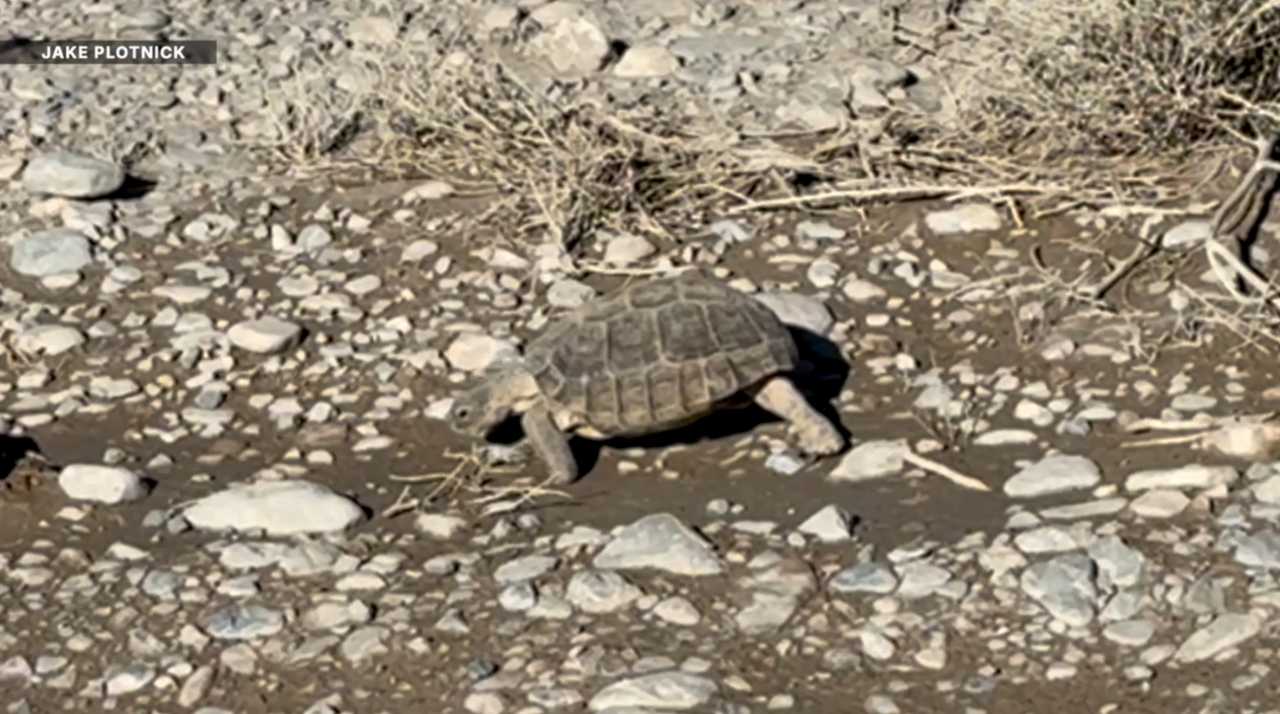
"We have a response team that we have someone that will go out and pick up that tortoise, take them from that site, remove them from that danger, and put them in an area where they'll be safe," Locke said.
But when I asked how often that actually happens, the answer raised questions.
"I can tell you it's not a lot," Locke said.
According to Locke, between July 1st, 2025 and July 30, 2026 just six desert tortoises were relocated.
Because incidental takes are not required to be reported, the full scope of development's impact on the desert tortoise population in the Las Vegas Valley remains unclear.
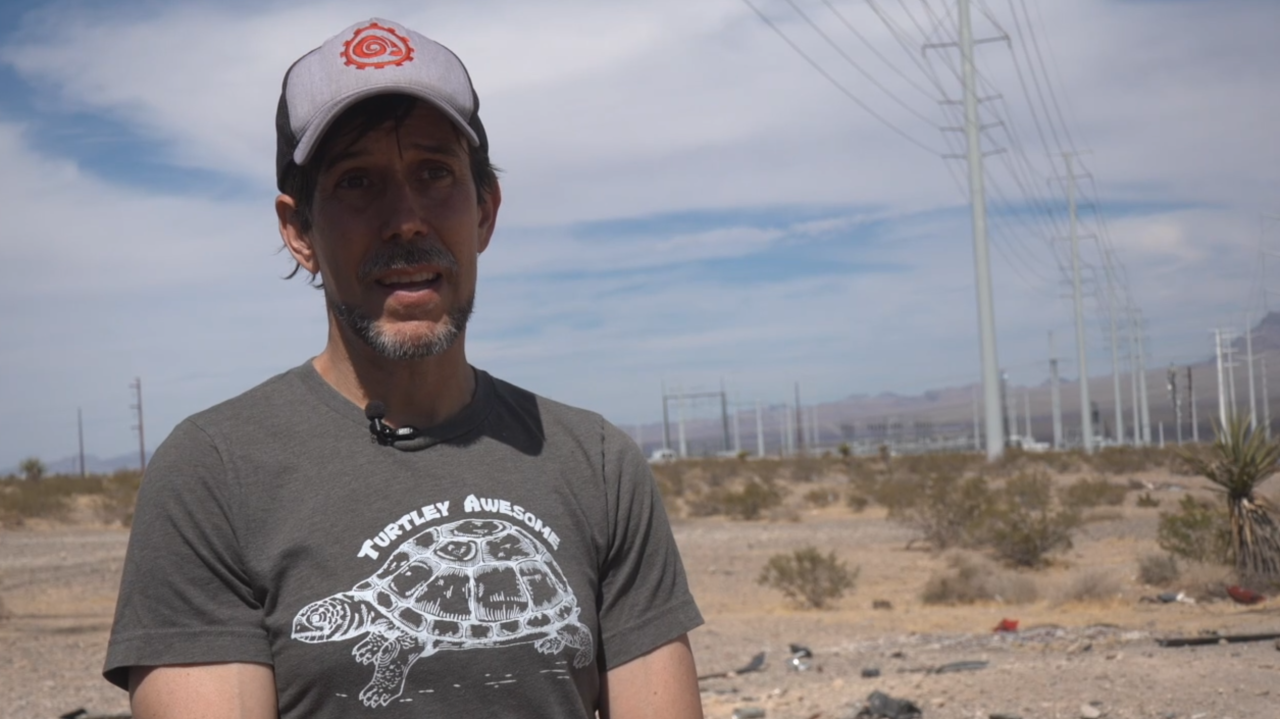
Plotnick said the stakes are high, given how few tortoises survive to adulthood.
"One out of 20 tortoises actually makes it from a hatchling to be an adult. So every time you lose a tortoise, that was one of the one in 20s," Plotnick said.
