


LAS VEGAS (KTNV) — With all the news about presidential executive orders being blocked by courts, proposed new requirements for voting and the chance for new rules on the way, voters may have questions about the November elections.
WATCH | What you need to know for November
Here are a few things that you should know to prepare for the general election, now just four months away.
First, make sure you're registered to vote!
The most important thing is to make sure you're registered to vote at your current address. That will ensure you get your sample ballot before the election, and the right mail-in ballot for your area.
It's easy to check: You can go to the state's main registration website at vote.nv.gov. There, you'll see options to register to vote (for first-time voters), update your registration (to change your address or political party, for example), cancel your registration or just view your information.
Once you enter your personal details, you'll be able to see your information, make any changes, or update your mail-in ballot preference. (Under current law, all active registered voters will be sent a mail-in ballot, unless they opt out of receiving one.)
Also, if you receive a mail ballot at your home that's addressed to someone who doesn't live there, you should write "return to sender; addressee no longer lives at address." This will alert county officials so they can start the process of updating the voter rolls.

Local News
Return to sender: Election mail delivered for decades to wrong house
Most people will find that they are already registered: Under the law, people are automatically registered when they go to the DMV for a license or an address change. That also happens at state offices that offer public assistance programs.
Second, look for your sample ballot
In the weeks leading up to the November election, all active voters will get a sample ballot in the mail, showing not only the races in which they can vote, but also all vote centers in the county.
You can vote at any voting center during early voting and on Election Day, no matter where you live.
The sample ballot will have other information about the election, including descriptions of the ballot questions voters will decide in November.
Third, what you can expect when you show up to vote
If you decide to vote in person, when you arrive at a voting center, you'll be asked to sign in on a tablet computer. If your signature matches the one on file with the county, you'll be given a card to insert into a voting machine.
If your signature doesn't match, you may be asked to prove your identity, usually with a state-issued photo ID card or a passport, so it's a good idea to carry at least one form of photo ID to the polls just in case.
(In November, voters will be asked to decide Question 7, which would require all voters to show an ID when they vote in person, or write an ID number on their mail ballot envelope. But that will not take effect until 2028 if it's approved this year.
Once you get to the machine, you'll make your choices on a touch screen voting machine. But unlike in past years, once you've made all your selections, a printer will produce a paper ballot with your selections marked.
If everything is accurate, you will take that paper ballot and feed it directly into a tabulator, where the vote will be recorded. You'll return your voting-machine card to a volunteer, and get a sticker that tells the world you voted.
What to do if you want to vote by mail
Mail-in voting is the most popular method of casting a ballot in Nevada: in the June primary, about 60% of all voters sent their ballots in by mail.
You'll mark your choices on the mail ballot by completely filling in the oval next the name of the person for whom you want to cast a ballot, using blue or black ink. (If you make a mistake, draw a line through the erroneous choice and fill in the oval next to your corrected choice.)
Once you've made all your selections, fold the ballot up and place it into the security sleeve, and then into the return envelope. (No postage is required.) Be sure to sign the outside of your return envelope! Those without signatures or with signatures that don't match the one on file with the county will be set aside and not counted until county officials can verify they are authentic.
In the June primary, according to the secretary of state, more than 2,200 ballots were not verified — the official term is "cured" — and were not counted. While that's less than 1% of all ballots returned, it's still thousands of people who took the time to vote, but who did not have their vote counted.
Mail ballot deadlines
Under current law, all mail ballots must be postmarked by Election Day, and received within four days, in order to be accepted for counting. (Ballots without postmarks or with illegible postmarks can be received three days after Election Day and still counted.)
But that could change.
Next week, the U.S. Supreme Court is expected to decide a case that may require all mail-in ballots to be received by Election Day in order to be counted. That ruling would take effect before the November 3 election.
As a result, officials are encouraging voters who chose to vote by mail to return their ballots as soon as possible after receiving them. If you're using a mail ballot in close proximity to Election Day, they encourage you to take your ballot to any voting center and drop it into a mail-ballot drop box to ensure it's counted.
During the primary election, more than 2 million mail ballots were sent out, with just more than 275,000 returned, a rate of just 13.8%. Some critics have suggested that's a waste of money, but Nevada Secretary of State Cisco Aguilar disagreed.
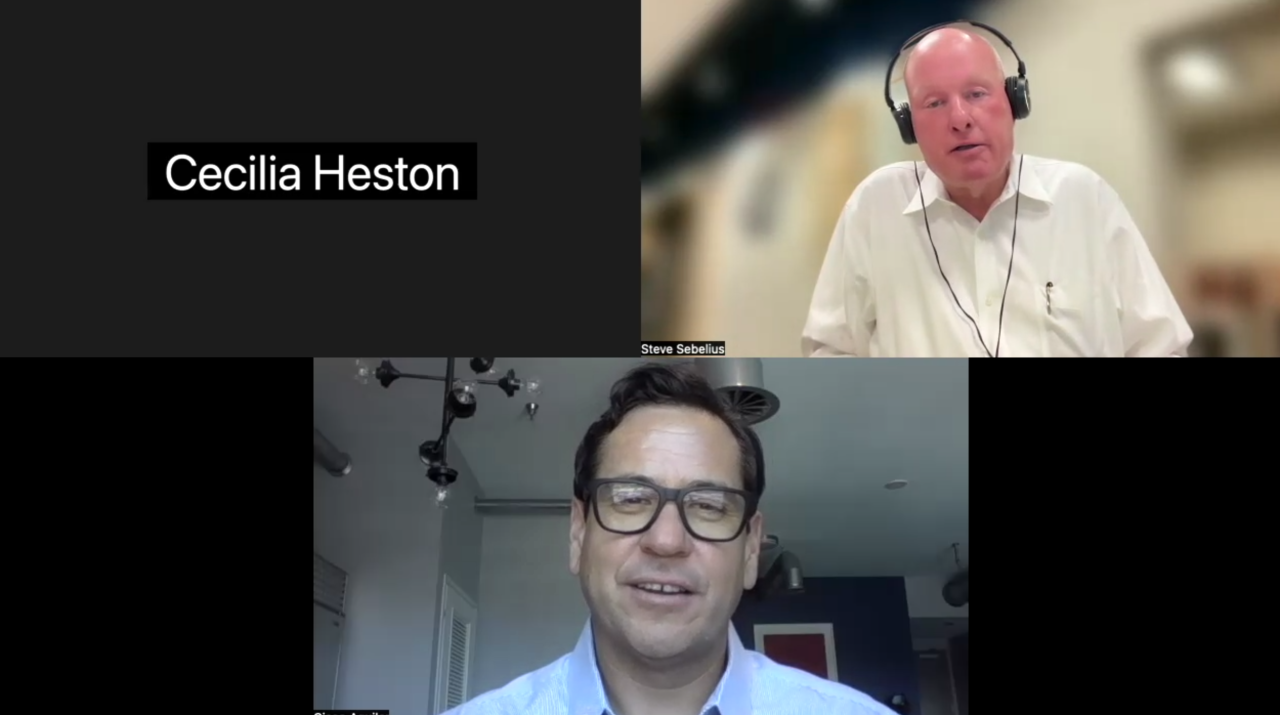
"I don't think you can put a price on democracy, or giving somebody an opportunity to vote," Aguilar said. "The fact that our rural community has a way to participate in our elections, that our tribal community has a way to participate in our elections, but the bottom line is, Nevada is a working-class state. We are a 24/7 economy. ... Our working community deserved to have a vote and to give them the opportunity to vote on their time without creating a financial burden."
Finally, do your part and vote!
Although just 22% of voters turned out in the primary, Aguilar says he's hoping for a larger participation in the general election. (The 2024 general election saw about 73% of voters participate, but that was a presidential election year. In the last mid-term election, in 2022, turnout was 54.7%, according to state figures.)
Aguilar said it's up to the candidates and political parties to encourage people to cast their ballots, as well as the knowledge that you'll get to affect political events not just for this year, but for the next presidential contest.
"Again, it comes down to, I think, the quality of the candidate, the fact that Nevada has some really close races, some very tight races, the fact that '26 is going to lead to the '28 presidential race," he said. "The road to the White House runs through Nevada, and some elections that are decided in '26 are going to be critical to that '28 election."
If you have questions about the upcoming election or anything else in politics, you can Ask Steve by sending an email to Steve.Sebelius@ktnv.com or by clicking the banner below.

