


LAS VEGAS (KTNV) — Most of us think of Amazon.com's massive warehouses as places where they ship the books to our doorsteps, often overnight.
But at one Amazon facility in North Las Vegas, books come in, but they never leave.
WATCH | Senior Political Reporter Steve Sebelius looked into the issue further to learn more:
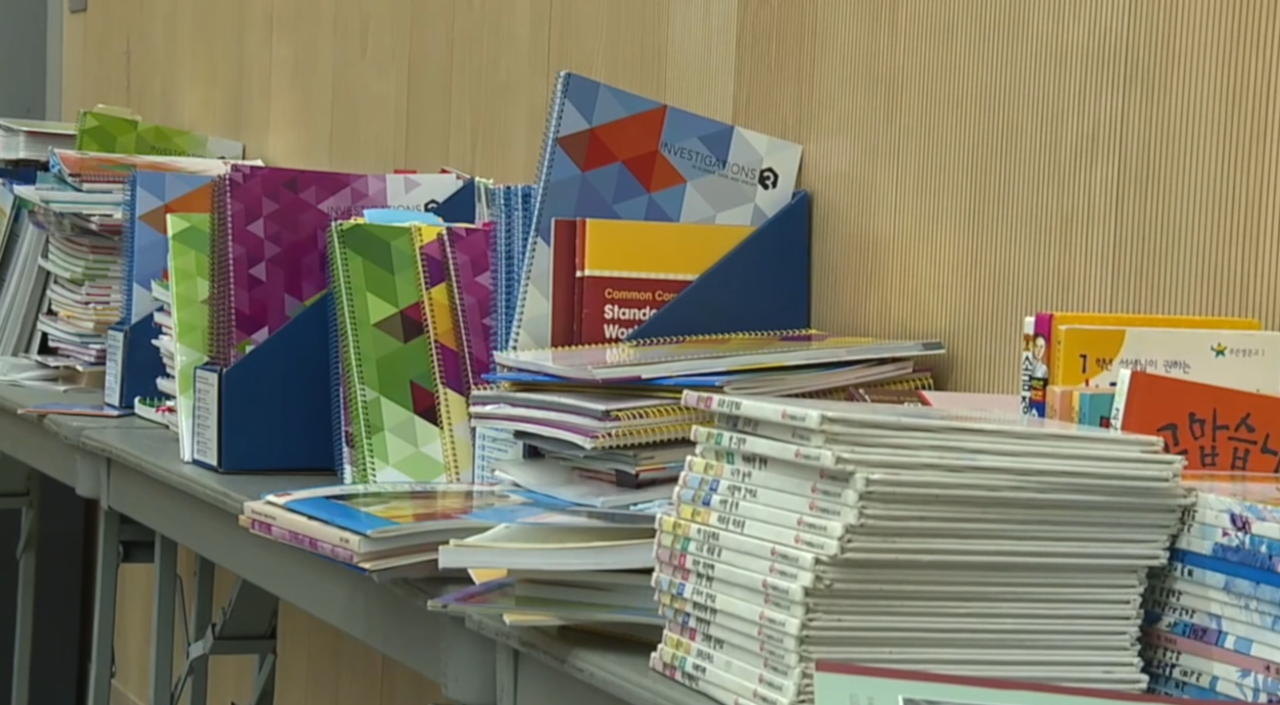
According to a report in 404 Media, books ordered by the retailer were taken to the North Las Vegas facility, torn apart and digitally scanned, all to train the company's large language model A.I.
Reporters were able to track one shipment of books across the country to the Amazon warehouse using an Apple AirTag.
Amazon is hardly the only company using literature to train A.I. systems to provide better content for users. Anthropic hired a former Google employee and ordered him to obtain "all the books in the world" for A.I. training, according to a California lawsuit.
Channel 13 asked Amazon for comment about the book destroying process, and was sent a statement in reply. It reads: "Amazon purchases books through commercial channels to help develop and improve the products and services our customers use."
A follow-up email asking about the mechanical process of digitally scanning the books was ignored by Amazon. According to the 404 Media report, it's possible to scan a book's content without destroying the physical book, but it takes longer and costs more to do so.
But the destruction of books has been a hot topic among local booksellers and at places such as libraries.
"It's a bit like reading Fahrenheit 451 in real time," said Rebecca Colbert, director of collections and bibliographic services for the Las Vegas-Clark County Library District. "It's a quick and dirty, and in my opinion, really unethical shortcut to stealing protected information."

Indeed, authors have argued their works were never intended to be used to train A.I. systems, which use examples of good writing to improve their output. They've argued that buying their books only to input them into computer systems violates copyright, something Colbert says she believes as well.
"The idea of tearing a book apart to get past a transformative use clause so you're not violating copyright is ridiculous," she said. "Because the intention is not to use the torn apart physical pages, it's to use the information and the language that is put together on those pages."
In California, three authors sued Anthropic for misusing their books to train the Claude A.I. system. But a federal judge ruled in June 2025 that "... the use of the books at issue to train Claude and its precursors was exceedingly transformative and was a fair use under Section 107 of the Copyright Act."
But that same ruling held that while Anthropic could make use of purchased or legally acquired books to train Claude without violating copyright laws, the company wasn't protected when it used pirated copies of books instead of paying for them.
"Creating a permanent, general-purpose library was not itself a fair use excusing Anthropic's piracy," the judge wrote.
But that ruling came in just a single case in one district; other courts may yet come to different conclusions, and the matter could end up in the Supreme Court for a final ruling.
In the meantime, book lovers, booksellers and librarians say the book-destroying process needs to end.
"So now another form of copyright lawsuit must be filed to stop this kind of transformative use. I just don't agree that it is a transformative purpose, what they're doing to these works of literature," Colbert said. "And when you destroy print books just because you can gain access to the content, you're really destroying a lot of literature and a lot of history. And I think that's an unintended consequence. But there is a reason that this should be, at the very least, regulated out of existence or made absolutely illegal."
