


LAS VEGAS (KTNV) — Long before the neon lights of the Las Vegas Strip, before the casinos and the crowds, the city that would become a global destination was nothing more than a small creek in the Mojave Desert.
That creek — and the springs that fed it — changed everything.
The Old Las Vegas Mormon Fort stands as the oldest non-native building in Nevada and the birthplace of modern Las Vegas. Lisa Leavitt Messenger, a historian at the fort whose family ties to the property stretch back more than a century, walked us through the remarkable timeline of how it all began.
WATCH | How a desert spring and an adobe fort gave birth to the city of Las Vegas
"In 1776 this part of the country wasn't even part of the United States yet. It was a desert, vast barren empty desert, but there was one amazing resource in the middle. This dry area, there were springs with an incredible amount of abundant water that just bubbled out of the ground and a runoff creek, inspiring plant life, animal life and Native Americans and Southern Paiute," Messenger said.
"Water is the source of anything and everything that happened here in Las Vegas," Messenger said.
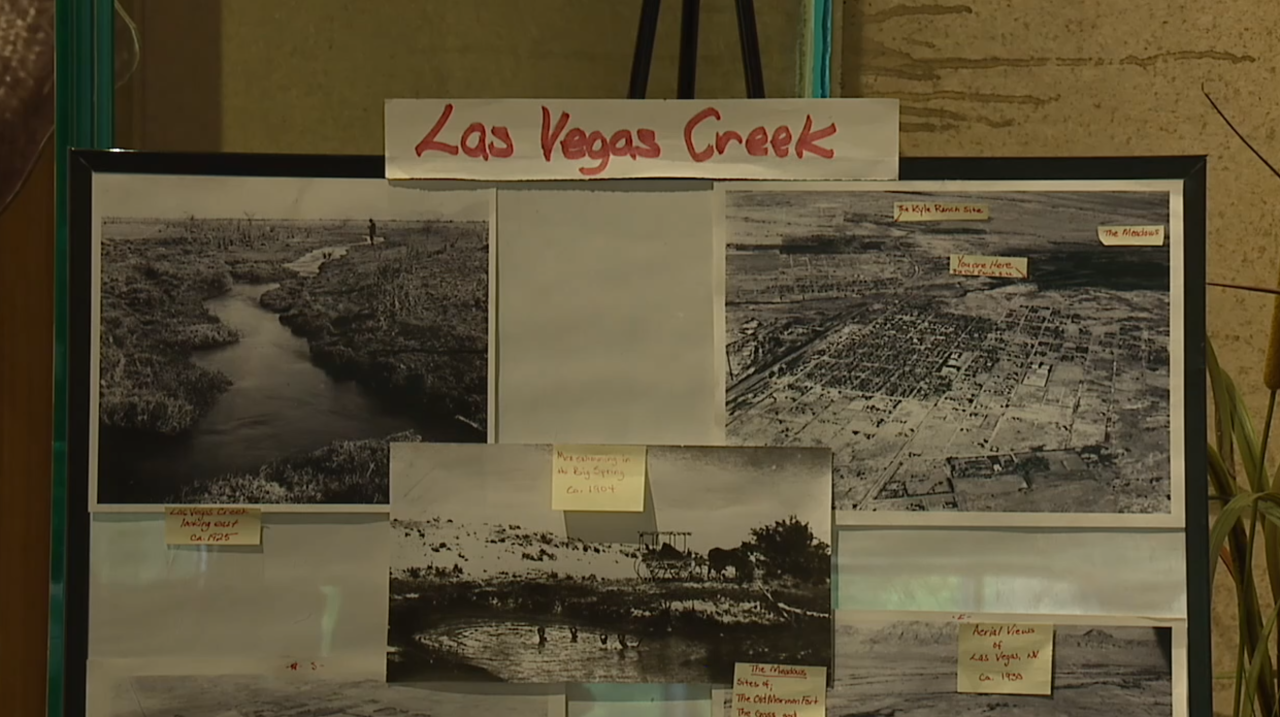
That water made the Las Vegas Valley a critical stop for travelers crossing the Mojave Desert. Explorer John C. Fremont was among those who helped spread the word.
"It was the only water for 50 miles… once word spread, travelers, explorers — John C. Fremont — made sure people knew you could stop here, refresh yourself and your animals, and survive the journey," Messenger said.
Mormon missionaries build the first fort
By 1855, Mormon missionaries identified the desert oasis as the ideal location for an outpost — making it the first permanent non-native settlement in the Las Vegas Valley.
"One of those outposts… was here in Las Vegas because of the water. In the spring of 1855 he called 30 men in his congregation to please come to Las Vegas and set up an outpost," Messenger said.
The missionaries arrived in June 1855 and quickly got to work.
"The Mormon missionaries arrived in June 1855 and just a couple months later started forming, hand-making, and sun baking adobe bricks to build a fort," Messenger said.
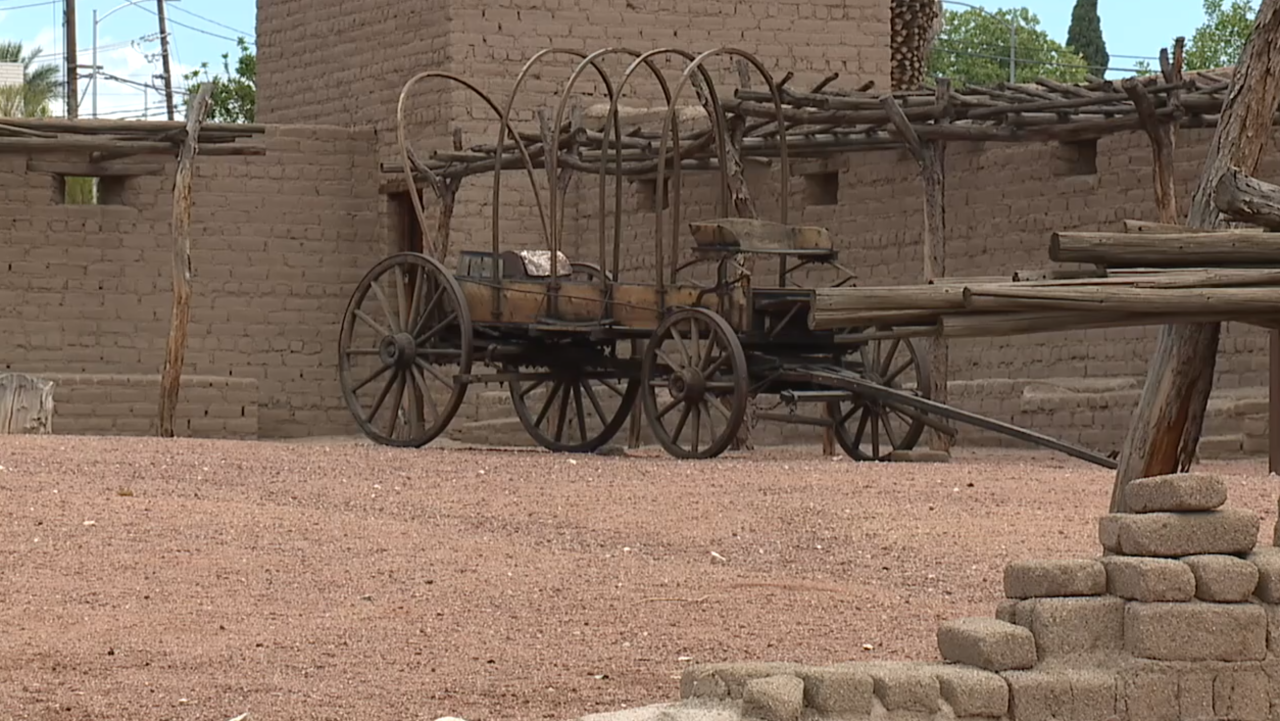
The structure they built was no small outpost.
"This fort is 150 ft square, and as far as Mormon forts go… this was one of the largest," Messenger said.
Just weeks after arriving, the missionaries marked a milestone that connects the site to the nation's founding.
"The very first Independence Day celebrated here in Las Vegas was by those Mormon missionaries on July 4th, 1855," Messenger said.
From mission to ranch — and a remarkable woman
When the Mormon mission ended, a man named Octavius Gass transformed the fort into a working ranch.
"Octavius Gass took the old Mormon fort, built a family home in one corner… expanded the acreage of crops — starting a ranching era that lasted 90 years," Messenger said.
That ranching era took a dramatic turn when Gass sold the property to a man named Mr. Stewart — who did not live long enough to see what it would become.
"Mr. Stewart, he was killed two years later, he was murdered," Messenger said.
Stewart's death left his wife, Helen Stewart, in an extraordinary position.
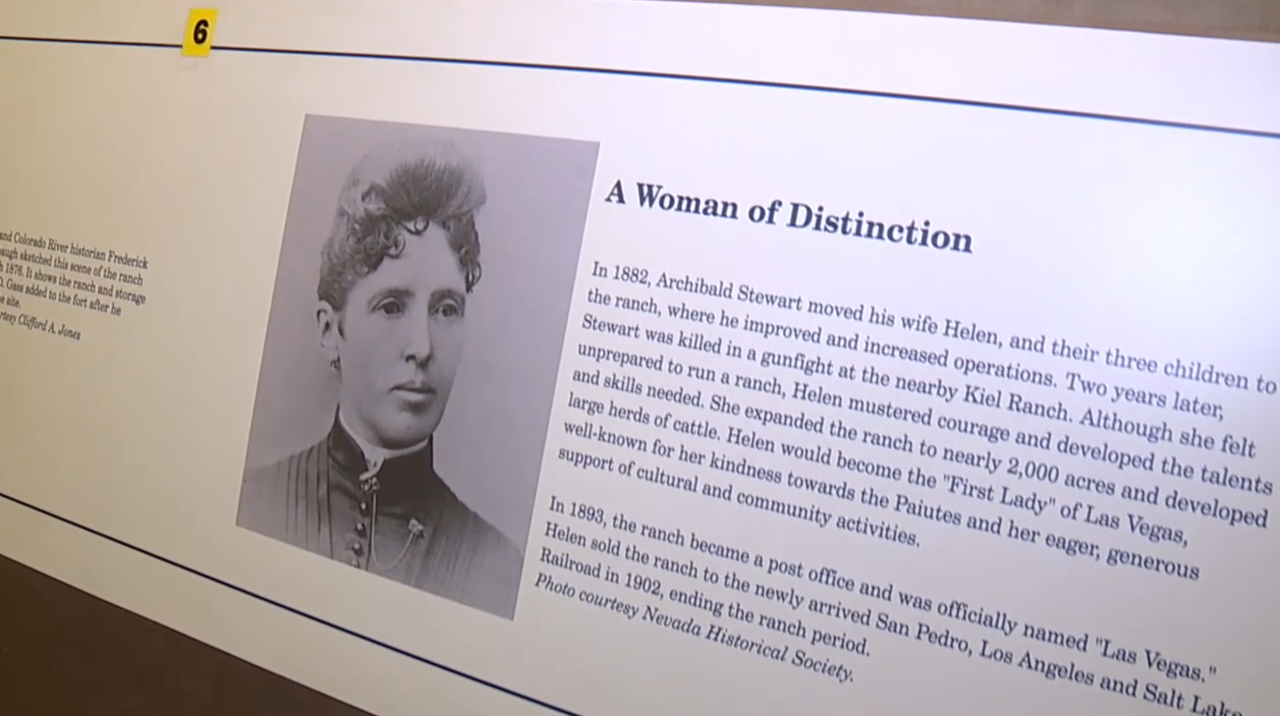
"He left his wife pregnant with her 5th child to run this ranch… She was forced to learn the industry — unheard of for a woman then — and what she accomplished sets an incredible example," Messenger said.
The railroad arrives — and a city is born
Helen Stewart's leadership of the ranch eventually attracted the attention of railroad surveyors, and what they found at the Las Vegas springs sealed the valley's future.
"They saw the springs in Las Vegas and knew that this is where the railroad had to come through because they were gonna have to refresh not just the people and the travelers and employees but the steam engines on the trains. They needed water," Messenger said.
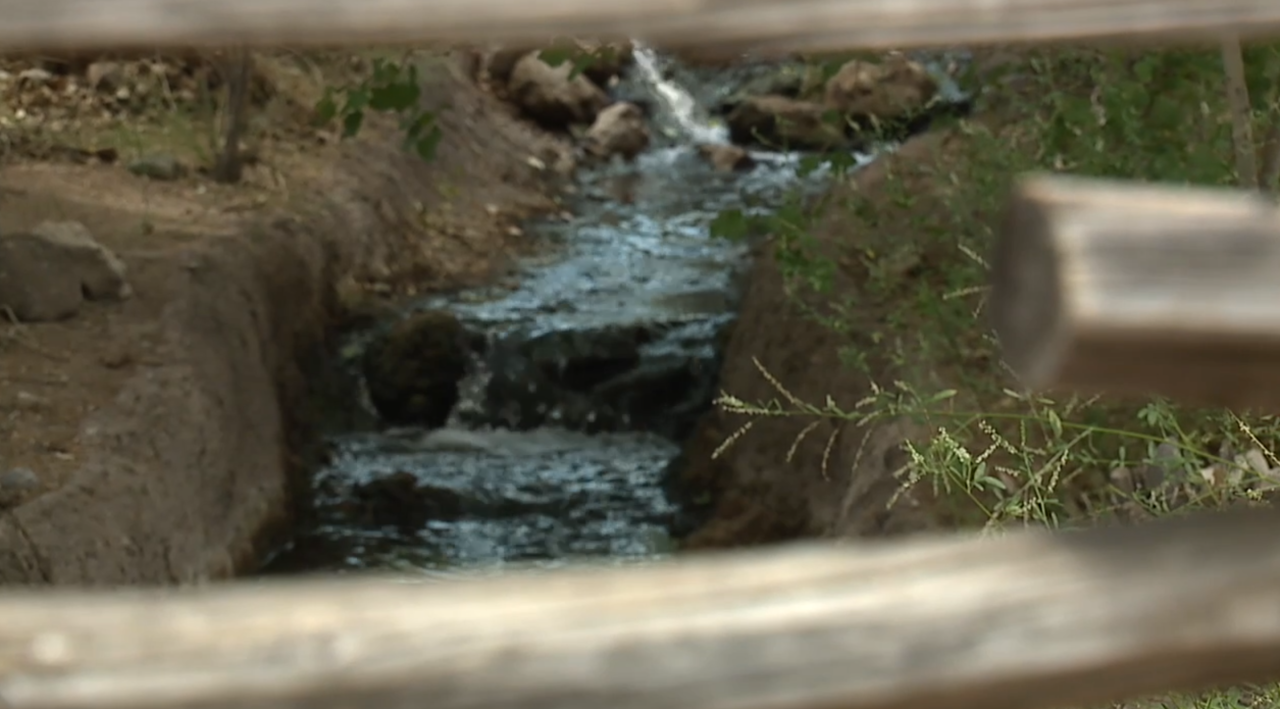
"That essentially brought everybody here to Las Vegas. They wanted to come to this new town. Amazing event happened over a two day period, a land auction sponsored by the railroad. It brought in hundreds of people and in 48 hours, a town of Las Vegas was born at Fremont and Main Street," Messenger said.
A building that outlasted every era
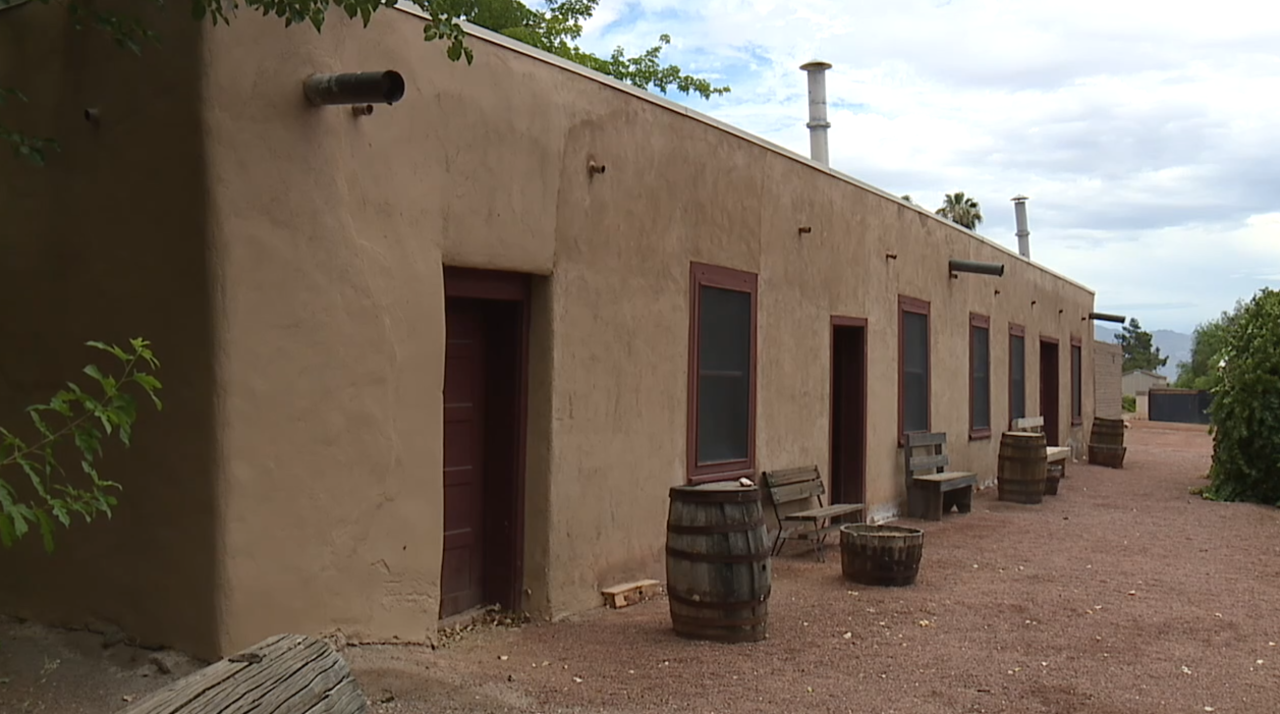
The original adobe structure at the fort has endured for more than 160 years — surviving every chapter of Las Vegas history, including a surprising role in one of America's most iconic engineering projects.
"This old adobe building was used as a concrete testing laboratory for Hoover Dam for 2 years," Messenger said.
"It has survived over 160 years, and it is the oldest building in the state of Nevada," Messenger said.
Through every transformation — from desert oasis to missionary outpost, from ranch to railroad town, from dusty auction site to global destination — Messenger says one truth has never changed.
"It was the water. Nobody would have stayed or built anything here without it," Messenger said.
This story was reported on-air by a journalist and has been converted to this platform with the assistance of AI. Our editorial team verifies all reporting on all platforms for fairness and accuracy.
