


EAST LAS VEGAS (KTNV) — Residents in east Las Vegas say illegal dumping near Sunrise Mountain continues to grow despite posted signs warning visitors not to litter.
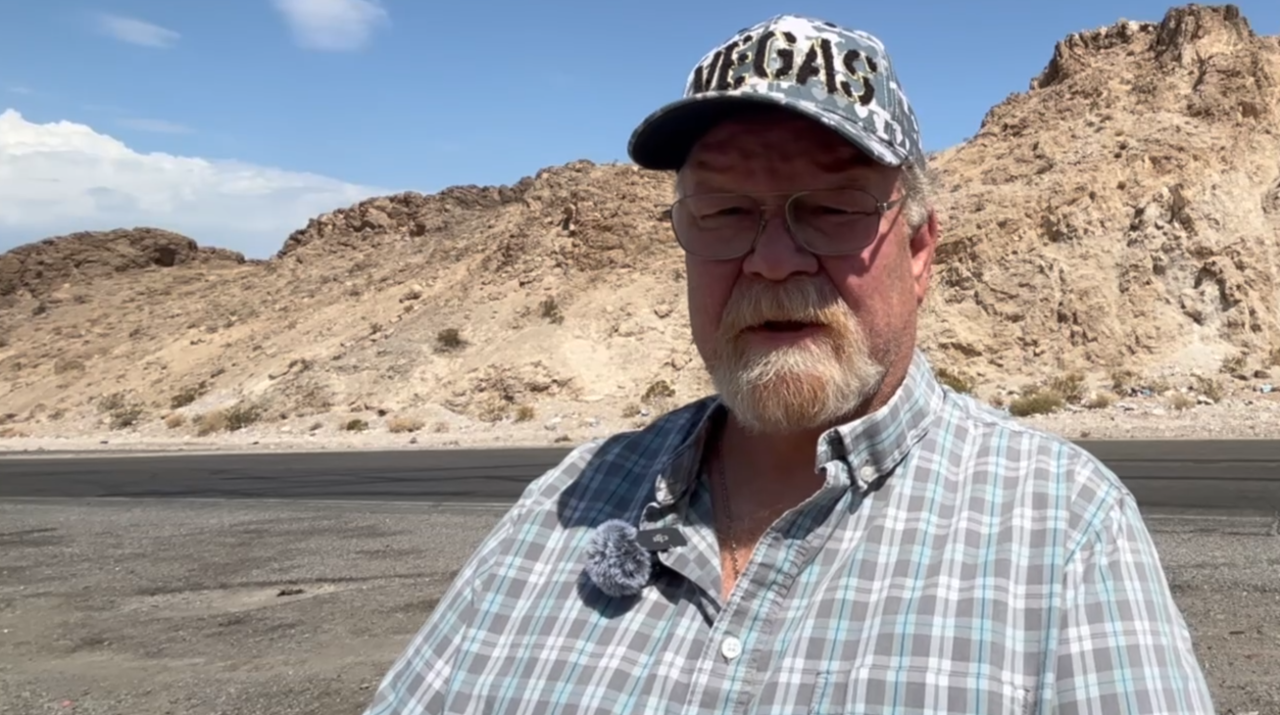
Channel 13 was contacted by local resident Chuck Tolman, who says trash has become a constant problem along roads near the popular outdoor area.
“Trash, everywhere, people just out and dump it right off the side of the road,” Tolman said.
WATCH | East Las Vegas residents frustrated by illegal dumping near Sunrise Mountain
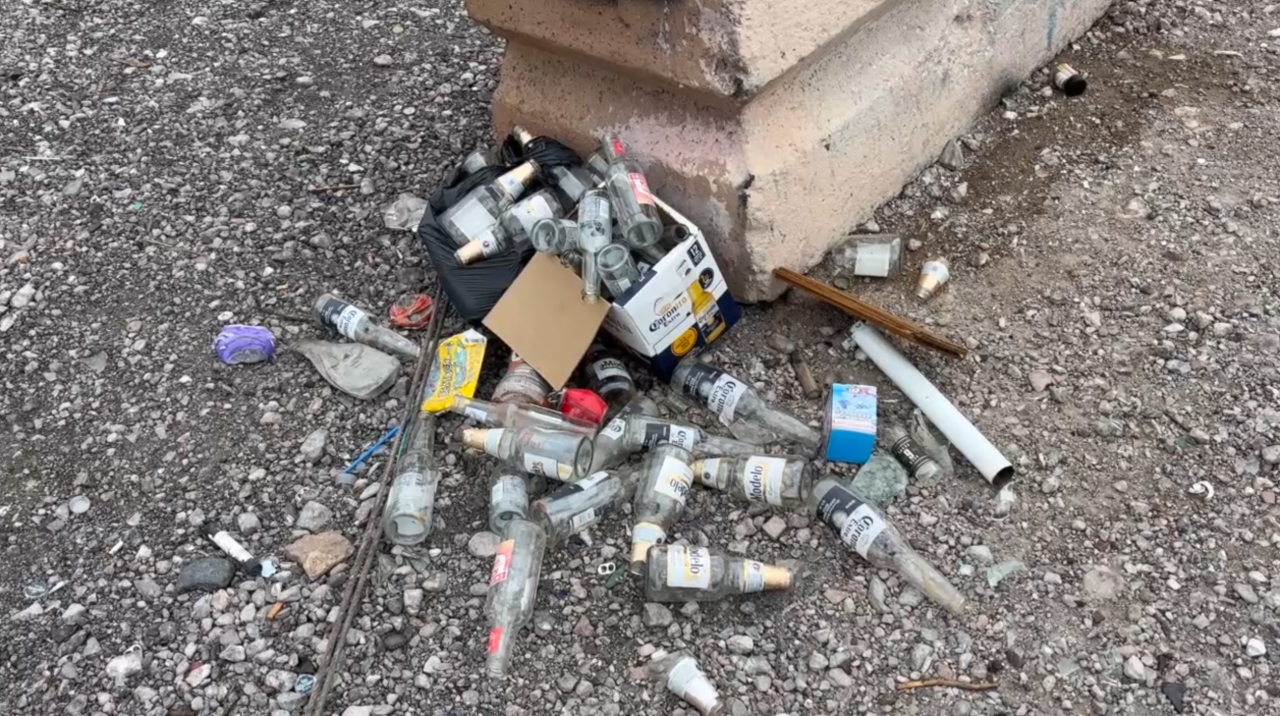
During a visit to the area, piles of garbage could be seen scattered across the landscape, including broken glass, beer bottles, old furniture, and other debris.
“Just stuff laying everywhere, that, you know, they haul it out, but they don’t haul it back,” Tolman said.
Tolman says one of the most disturbing discoveries he has made in the area was finding dead goats left behind.
Other residents share similar concerns.
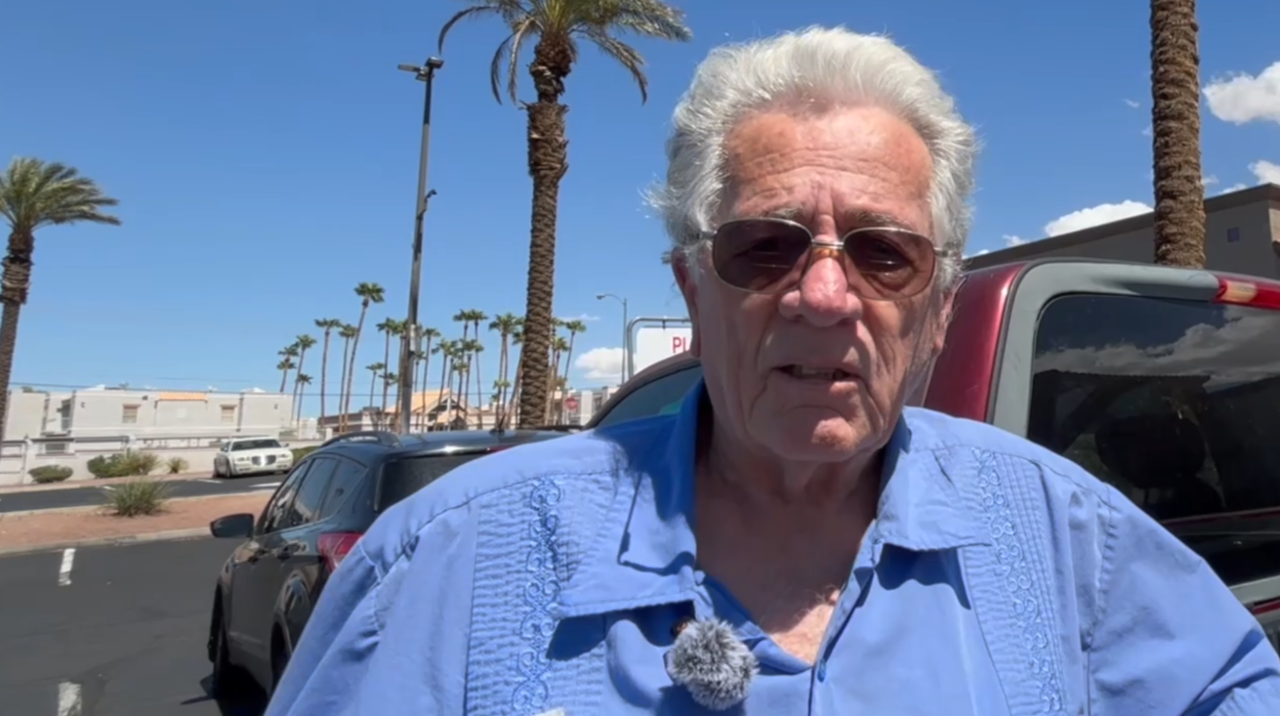
“It makes me feel terrible because we’re animal rescue people and I find it pretty disgusting,” said East Las Vegas resident Randy Rhodes.
Tolman says he has tried contacting local leaders and agencies in hopes of finding a solution.
“I sent emails in to the county commissioner, never got a response,” Tolman said. “BLM, all I got was a recording from them, that was it.”
After reaching out to several city and county leaders, Channel 13 was directed to the Bureau of Land Management, the agency responsible for maintaining the land.
In a statement, BLM spokesperson Greg Fuhs said, “The public lands around Arnona and East Lake Mead Boulevard have been challenged by illegal dumping for well over a decade,” adding that limited resources have contributed to the ongoing issue.
According to BLM, the agency has a volunteer agreement with Get Outdoors Nevada to clean the area between two and four times each year. Officials say they also depend heavily on community members to help keep the area clean.
Residents say they appreciate the cleanup efforts but believe more needs to be done to prevent dumping in the first place.
“It’s important because it’s where we live,” Rhodes said. “It’s our environment.”
