



The cost of installing solar panels or buying an electric vehicle is still out of reach for many Americans — more so now that federal tax credits have expired — but for those who made the switch, rising gas and energy prices are making their decision look smarter.
Lauren Bash, a climate content creator, is breathing a sigh of relief after her family decided to install solar panels on their California home last year — one of several improvements that helped them save significantly.
"I think our utility bill was like $900 for we get bills every 60 days. And so it went from $900 to $22," Bash said.
RELATED STORY | EV chargers still scarce as states leave most federal money on the table
Bash took advantage of federal tax incentives under President Joe Biden to pay for renewable energy updates.
"We did it all, y'all. We did heat pump water heaters, heat pump mini splits, the EV charger. We didn't do the EV. We had already had the EV and then the solar panels. So I think we got like a $9,700 tax credit last year," Bash said.
Tax credits like the ones that helped Bash — which included 30% off the cost of residential solar installation — expired last year after the Trump administration ended them early.
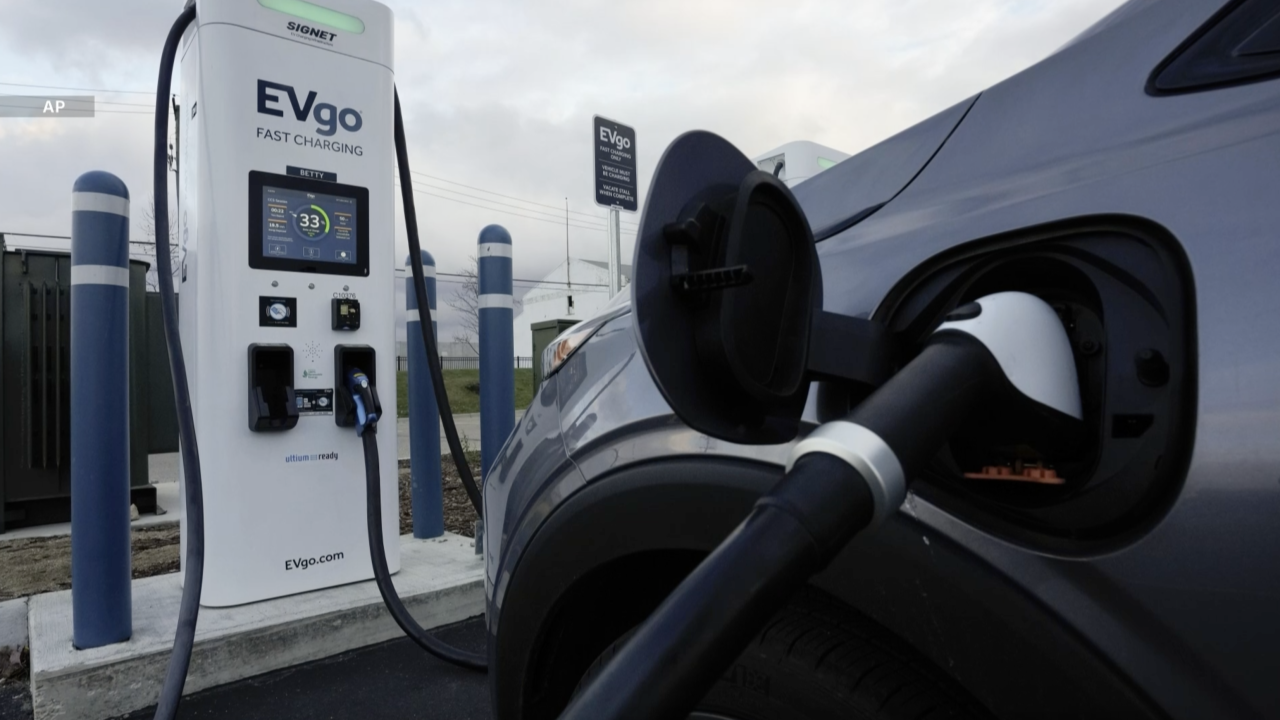
Those who took advantage by installing solar panels or buying an electric vehicle are now seeing the benefit as gas and energy prices soar.
"As an EV owner myself, I will say right now it's a really good feeling to drive past the gas station, right?" Jenni Newman, editor-in-chief of Cars.com, said.
RELATED STORY | Congress eyes federal EV fee that could offset savings from high gas prices
Energy costs were up nearly 18% from a year ago in April, and the price of gas has jumped more than 50% since the start of the war with Iran.
For Bash, who also owns an EV, saving money was not the primary motivation.
"So I think environmental was first, probably public health was second, and then the savings was kind of the reward," Bash said.
That reward can add up. Solar homeowners can save between $37,000 and $154,000 on electricity bills over 25 years, according to EnergySage, an online marketplace for clean energy products.
But installing solar can be costly — often exceeding $20,000.
While EVs can provide drivers significant savings on gas, the average new EV costs more than $55,000 — about 10% more than the average new car overall — and auto insurance can run nearly 50% more for EV drivers.
"If you own your own home, if you pay high electricity prices, that's when solar installations are really going to benefit you," Dan O'Brien, senior analyst at Energy Innovation, said.
For people who may not have easy access to EV charging or who do not face steep electricity costs, the financial case may be less compelling — even with rising prices.
While federal tax credits for solar projects and EVs have expired, some states offer their own tax credits, so it is worth researching local options before making the switch.