

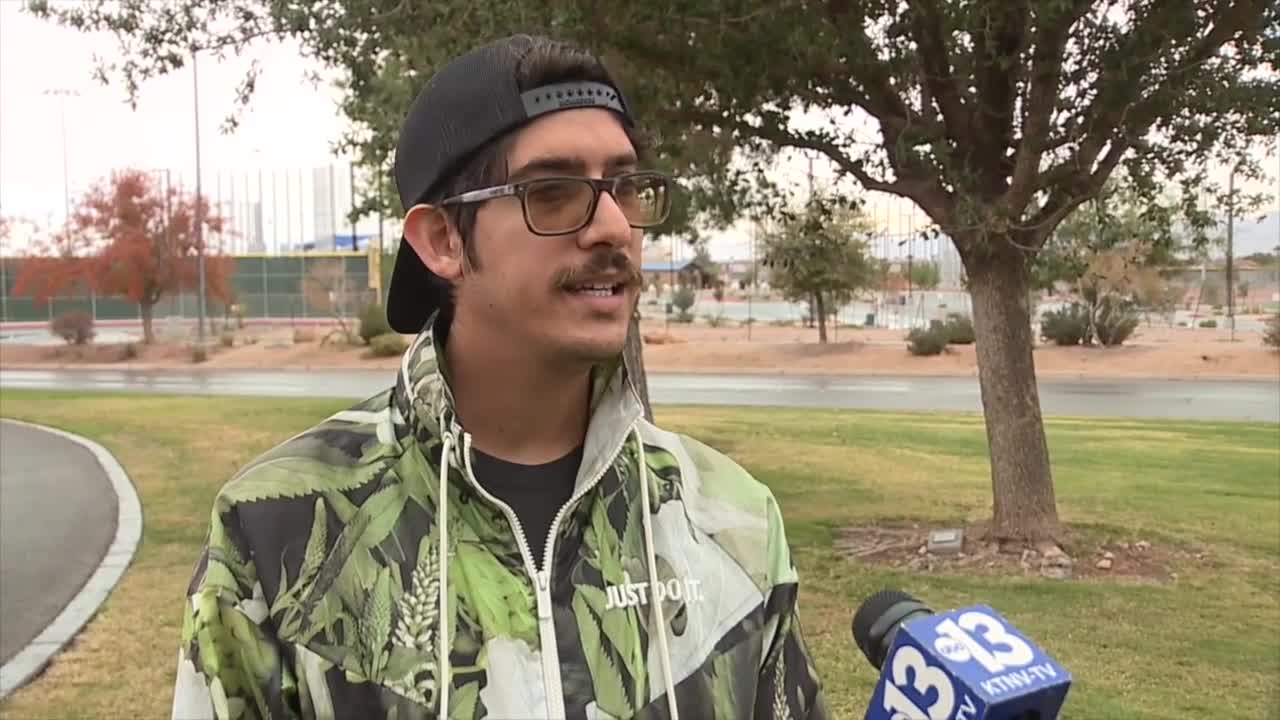


LAS VEGAS (KTNV) — A string of major technology outages affecting airlines, banks and everyday digital services is raising concerns across the country, including in Las Vegas, where some residents are taking extra precautions amid uncertainty about the disruptions.
Companies and agencies including Microsoft 365, Apple, JPMorgan Chase, United Airlines, the Federal Aviation Administration (FAA) and the National Security Agency (NSA) have experienced disruptions in recent days.
RELATED | Chase Bank customers may be affected after hackers access marketing data
The incidents have interrupted banking services, affected email and other digital platforms, and disrupted air travel.
The timing has left some Las Vegas residents questioning whether the outages could be connected.
WATCH | Las Vegans take precautions amid nationwide tech outages, cyberattacks
“For it to happen in one week across so many different industries it makes me suspicious,” said Las Vegas resident Richard Hernandez.
“The few answers that we have gotten don’t really seem to be the whole picture,” he added.
Federal officials respond to concerns
During a congressional hearing Wednesday, Director of National Intelligence Jay Clayton told lawmakers there is no evidence the recent outages were part of a coordinated or state-sponsored cyberattack.
Federal officials attributed the disruptions to separate technical issues, including software updates, maintenance and system upgrades.
Despite those assurances, cybersecurity experts say the incidents highlight broader vulnerabilities in the technology infrastructure Americans depend on.
Jeromie Jackson, CEO and founder of CinderLabs, says aging systems are a particular concern.
“I can tell you from personal experience that such technology, especially our critical infrastructure, is very old and very susceptible to vulnerabilities and risks,” Jackson said.
Jackson explained that as more critical infrastructure becomes connected to the internet, potential security risks increase.
He also warned that a hypothetical cyberattack targeting the nation’s power grid could have consequences lasting far longer than a typical technology outage.
“Because of what I know about the power grid and about the vulnerabilities inside of it, if someone wanted to do significant harm, I think they could take us down for a significant amount of time. It’s not like flicking a switch when you turn it off you just turned it back on.”
There is currently no evidence that a nationwide blackout is imminent or that the recent outages are connected to an attack on the power grid.
JPMorgan Chase reports separate cybersecurity incident
Adding to concerns about digital security, JPMorgan Chase confirmed Thursday that hackers targeted third-party vendors providing services to the company.
According to JPMorgan Chase, attackers may have accessed marketing information, including some customer names and email addresses.
Visa and Mastercard also disclosed vendor-related security incidents. Both companies said their payment networks were not compromised.
JPMorgan Chase emphasized that the cyberattack was unrelated to its earlier banking disruption, which the company attributed to a software bug.
For Las Vegas resident Valerie Moody, the uncertainty surrounding the outages is enough reason to prepare for a possible emergency.
“It’s frightening. A little scary because it could be true,” Moody said.
Moody shared that she has already purchased cases of water and canned goods and withdrawn cash to keep as a backup if electronic payment systems become unavailable.
“Just have enough stuff for at least three days,” she said.
RELATED | Shoppers stocking up on doomsday supplies, but is it really necessary?
While there is no evidence of an impending nationwide blackout, Jackson believes growing reliance on technology could make future disruptions increasingly consequential.
“I think because we’re continuing to become more and more reliant on technology that we’re going to see more and more significant impacts like this to our lives,” Jackson said.
How to protect your personal information
Jackson recommends several precautions to help consumers protect their information as digital services become more interconnected.
One step is freezing credit reports with the three major credit bureaus, Equifax, Experian and TransUnion. A credit freeze is free and can help prevent criminals from opening new credit accounts using stolen personal information.
Jackson also cautions against giving artificial intelligence tools unrestricted access to personal accounts.
As AI applications increasingly connect to email, calendars and other services, he recommends reviewing permissions and avoiding settings that automatically authorize actions without user approval.
Consumers should also be cautious of suspicious messages or links claiming to provide updates or fixes during major technology outages.
RELATED | Apple becomes latest major company hit by service outages
