

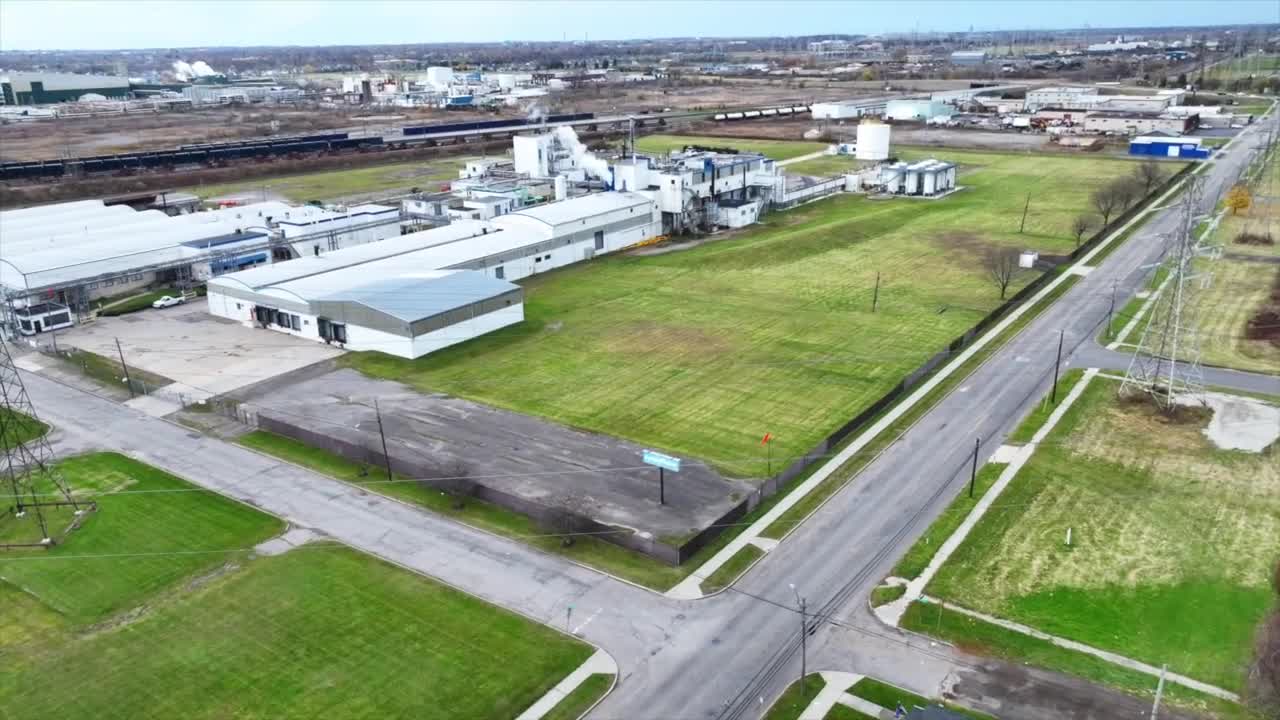

Goodyear is set to close its Niagara Falls plant on Oct. 31 — almost two years after an investigative team with the Scripps News Group station in Buffalo exposed a high level of a cancer-causing chemical being emitted from the plant.
The chemical, ortho-toluidine, is a known human carcinogen, directly linked to bladder cancer.
Steven Wodka is a retired attorney. He's represented a number of Goodyear employees who've been diagnosed with bladder cancer. He says the plant's closure, at the end of the month, is astounding.
"The handwriting was on the wall years ago: you can't allow operations like this to go on...that sooner or later, whether it's moral pressure, regulatory action, lawsuits, something is going to tip the balance and the only way to preserve jobs in an operation like this is to put in the right controls. That's what should have been done," Wodka said.
WATCH:Attorney calling for urine testing in Niagara Falls before Goodyear plant closes
Wodka notes the closing date is ironic. It's the same date controls were supposed to be implemented, per a Consent Order from New York State, to mitigate emissions of a certain chemical.
He's sent a letter to the New York State Department of Health, calling on the state to urine test citizens within a mile of the plant to see if they have high levels of ortho-toluidine. The carcinogen can be inhaled or absorbed through the skin.
Wodka wants the state to offer this testing before the plant closes.
"The people have a right to know whether the operation of this plant has impacted their health...so that we can get data on what their potential exposure has been. No one has ever done that," said Wodka.
"I can only hope for the best," Wodka said of the state Department of Health. "I hope they realize the urgency of the situation and they respond appropriately."
The Scripps News Group in Buffalo reached out to the state Department of Health for a comment. Monday morning, the state sent this statement: "The New York State Department of Health works closely with the New York State Department of Environmental Conservation (DEC) to protect public health while investigating and addressing potential disease-causing contaminants in the environment. DOH is reviewing the recent correspondence from Mr. Wodka."
This story was originally published by Ed Drantch with the Scripps News Group in Buffalo.
