

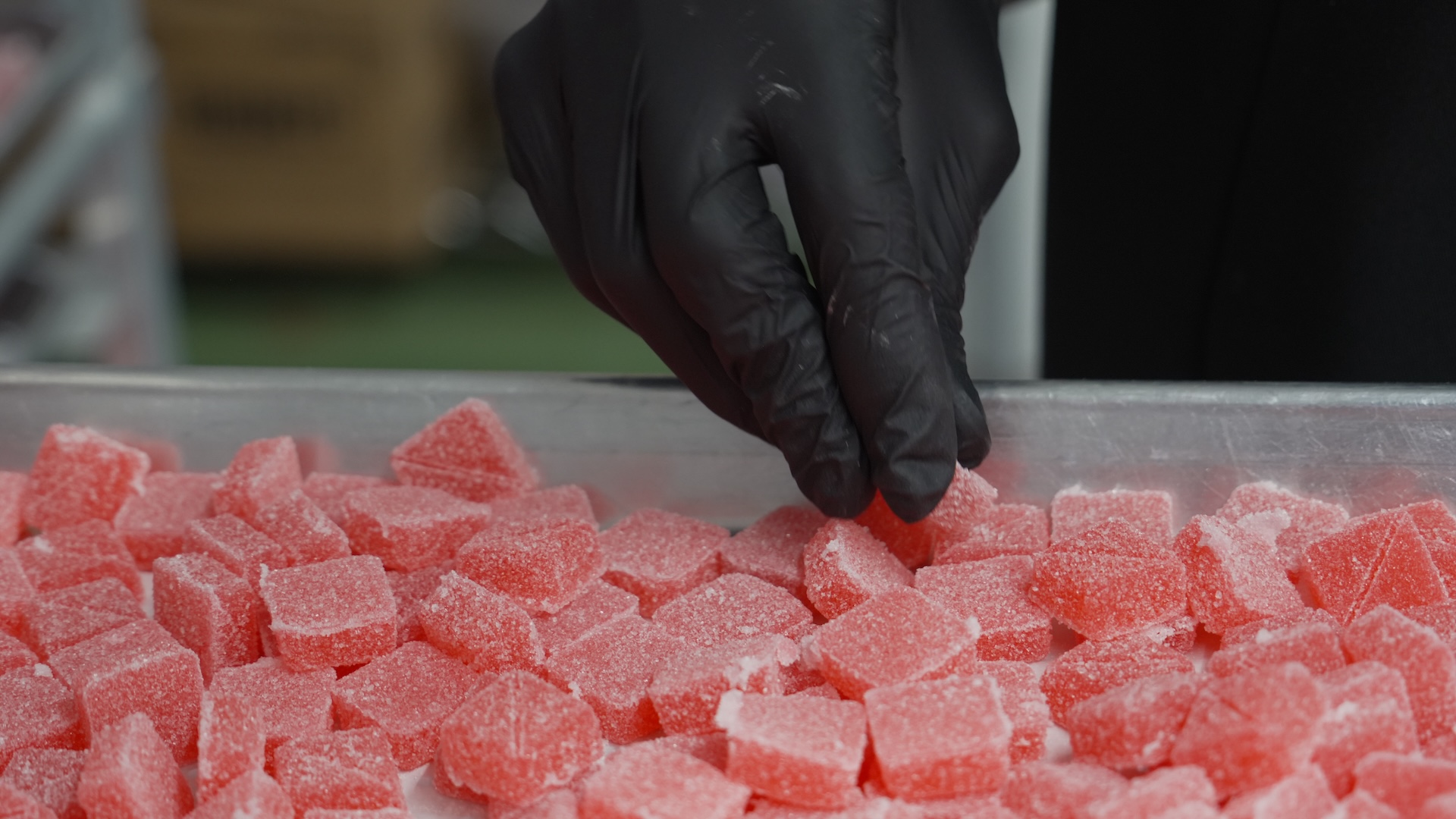


THC gummies, drinks and other hemp products are sold across the country. But that multibillion dollar industry could be headed for a major shakeup: A federal loophole that helped the market explode is set to close in December, putting businesses and jobs nationwide at risk.
The hemp-derived THC market has grown into a more than $30 billion industry and supports about 300,000 jobs nationwide. It took off after the 2018 Farm Bill legalized industrial hemp. But the way Congress defined hemp created an unexpected opening.
"I knew that the laws were not written for THC and psychoactive compounds," said Nicholas Hohns, founder of Deutermann Farms. "The laws were written for rope, fibers, all of that kind of stuff. So we're technically operating on a loophole."
That loophole allowed intoxicating THC products to be sold across the country, including in states without legal recreational marijuana.
Dozens of states have since moved to regulate or ban some of those products, and now the federal government is stepping in. Congress has voted to sharply limit how much THC hemp products can contain, with the change set to take effect December 11th.
RELATED STORY | 2026 trend: Alcohol out, THC drinks in
The THC industry is fighting back, pushing for nationwide rules instead, including sales limited to adults 21 and older and restrictions on THC levels in products.
In Kentucky, Cornbread Hemp says it has grown to 105 employees and ships 50,000 orders a month nationwide.
"If it goes through in December, this place is toast. It's gone," said co-founder Eric Zipperle. "We will not be here anymore."
Critics say closing the loophole will protect consumers from potent, largely unregulated products. The industry says regulation rather than an effective ban could preserve businesses while putting tougher safeguards in place.
