

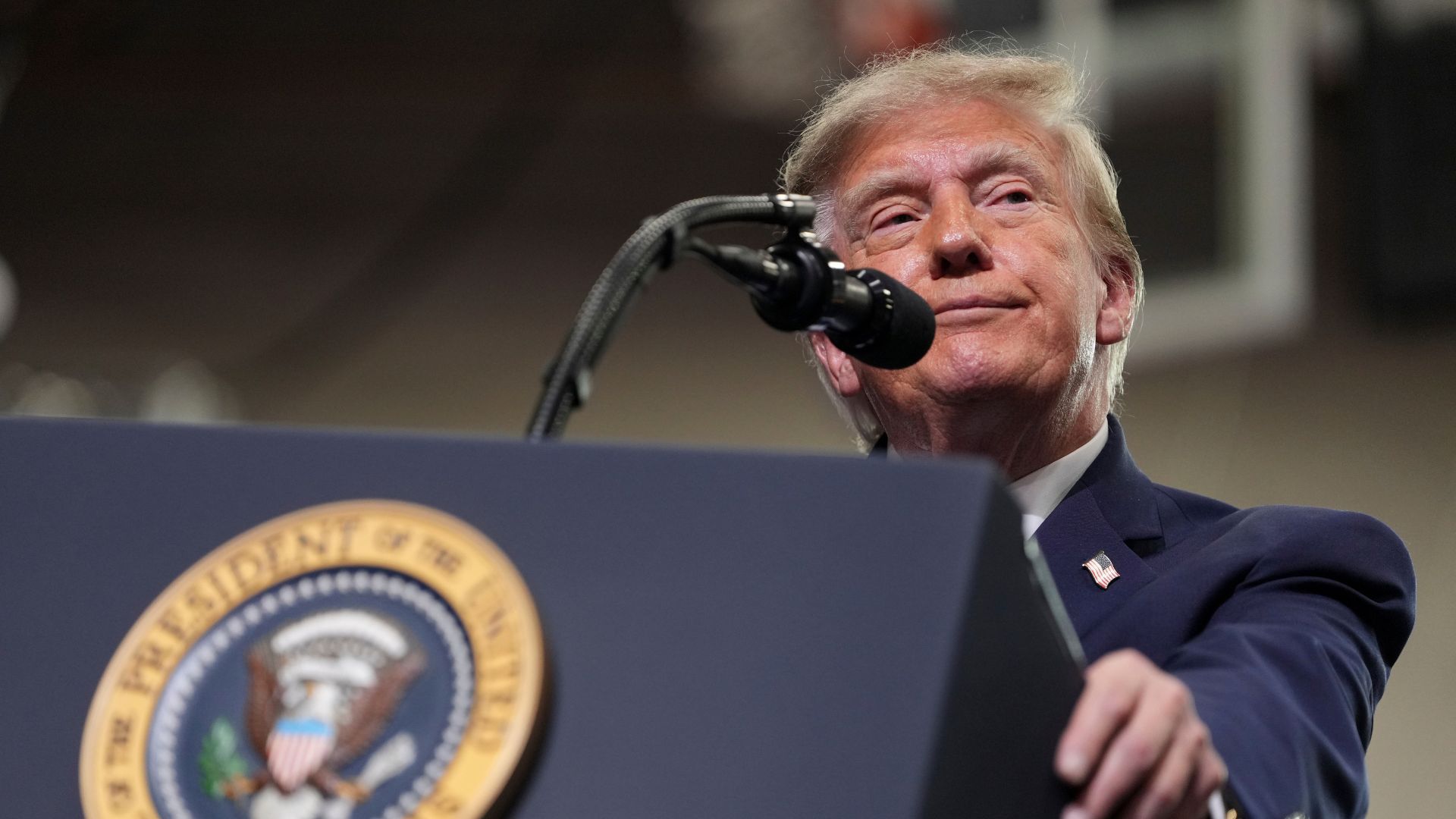


President Trump announced that more than 20 million seniors on Medicare will soon receive a direct deposit of nearly $100, drawing Democratic criticism and questions about whether the payments — made without congressional approval — are legal.
"I am pleased to announce over 20 million seniors on Medicare will still be receiving a deposit of nearly $100 directly into their bank accounts," Trump said.
RELATED STORY | Trump announces $500 refunds for nearly 1 million 'Obamacare' enrollees
Trump said the money will come from the Medicare Improvement Fund. A White House fact sheet says most eligible seniors will receive $90 via direct deposit in early October. Those without direct deposit will receive a check.
The Medicare payment is not the only check the administration is cutting. Last month, Trump announced refunds to some people enrolled in Affordable Care Act health plans, saying they had been previously overcharged.
"Nearly 1 million hardworking Americans in 30 states will soon be getting refunds of $500 each," Trump said.
On the campaign trail, Trump has also promised more money if Republicans win in the November midterm elections.
IN CASE YOU MISSED IT | $5K reality check: Experts say Trump's promise of midterm checks would strain the economy
So far, no legal challenge has resulted in a court blocking either the $500 ACA refunds or the $90 Medicare payments, though Democrats have been sharply critical of both.
"If you want to BUY midterm votes, maybe start by not gutting everyone's health care in the first place," Oregon Sen. Ron Wyden said, referring to the $500 ACA checks.
Also drawing scrutiny on Capitol Hill is Trump's use of taxpayer dollars to pay for commercials this campaign season. The White House says the spending is legal, but others disagree. Complaints have been filed with the FCC and broadcasters, though no judge has yet blocked the commercials from airing.
